Hair Intelligence — Breakage
Why is my hair
breaking at the ends?
She didn't notice it happening gradually. She noticed it all at once — a handful of hair that snapped instead of stretched. That was the moment everything changed.
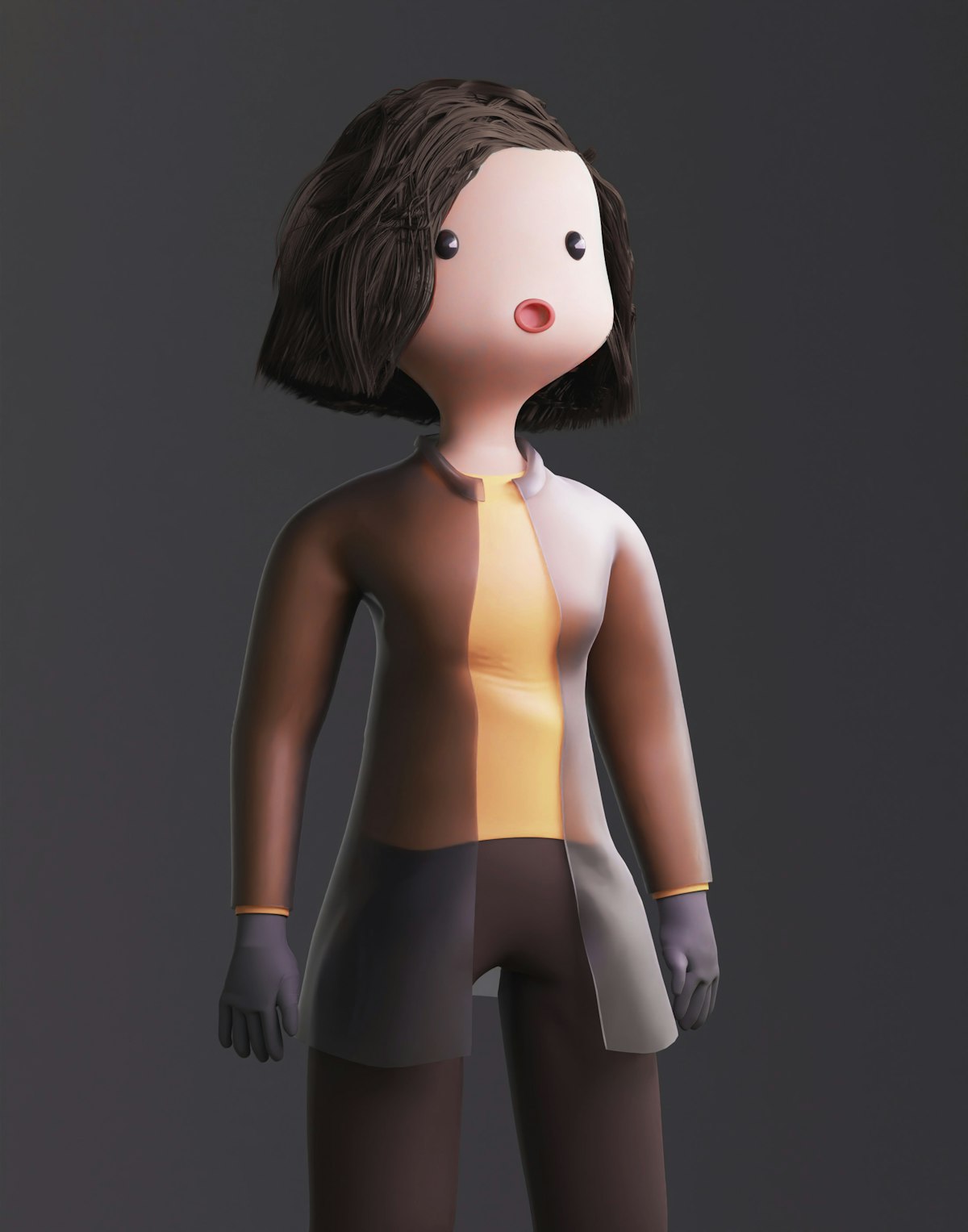
Natasha had been blonde for seven years. Not naturally — she was a dark brunette who bleached religiously every six to eight weeks, sometimes sooner when the roots got unbearable. She loved her hair. It was part of her identity. People recognized her by it.
Then one afternoon, standing in front of the mirror after a blowout, she ran her fingers through her ends and felt something snap. Not one strand — several. She looked at her hand. Little broken pieces of hair, maybe three or four centimeters long, sitting in her palm like evidence of something she hadn't been paying attention to.
She booked a salon appointment that week. Her stylist took one look and said what Natasha already feared: "Your ends are gone. The hair is breaking because there's nothing left to hold it together."
"Breakage isn't split ends. Split ends are the warning. Breakage is what happens when you ignored the warning long enough."
Why hair breaks at the ends specifically
Your ends are the oldest part of your hair. They've been through everything — every wash, every heat styling session, every chemical treatment, every time you slept on a rough pillowcase or pulled a hair tie out too fast. By the time hair reaches your ends, it's been on your head for two, three, sometimes four years. That's a long time to survive.
When the internal structure of the hair strand gets compromised — through bleach, excessive heat, or protein loss — the strand becomes brittle. Instead of bending when stressed, it snaps. That's breakage. And it almost always shows up at the ends first because that's where the damage has had the most time to accumulate.
The most common causes
Chemical damage — bleach works by opening the hair cuticle and breaking apart the melanin inside. It also breaks apart the disulfide bonds that give hair its strength and elasticity. Every bleach session does this. The hair can recover somewhat between sessions, but repeated bleaching without adequate bond-repair treatment eventually depletes the strand's structural integrity.
Heat damage — flat irons and curling irons above 180°C can cause the water inside the hair shaft to boil, creating microscopic bubbles that weaken the strand from the inside. This is called bubble hair, and it makes the hair extremely prone to snapping under any tension.
Mechanical stress — tight elastic bands, aggressive brushing when wet, rough towel-drying, and even certain pillowcase fabrics cause friction that wears down the cuticle and leads to breakage over time.
Lack of moisture — dry hair has no flexibility. Flexible hair bends. Dry hair snaps. It's that simple. If your hair isn't getting adequate moisture — either from within (your diet, hydration) or from your routine — it becomes increasingly fragile.
What Natasha did next
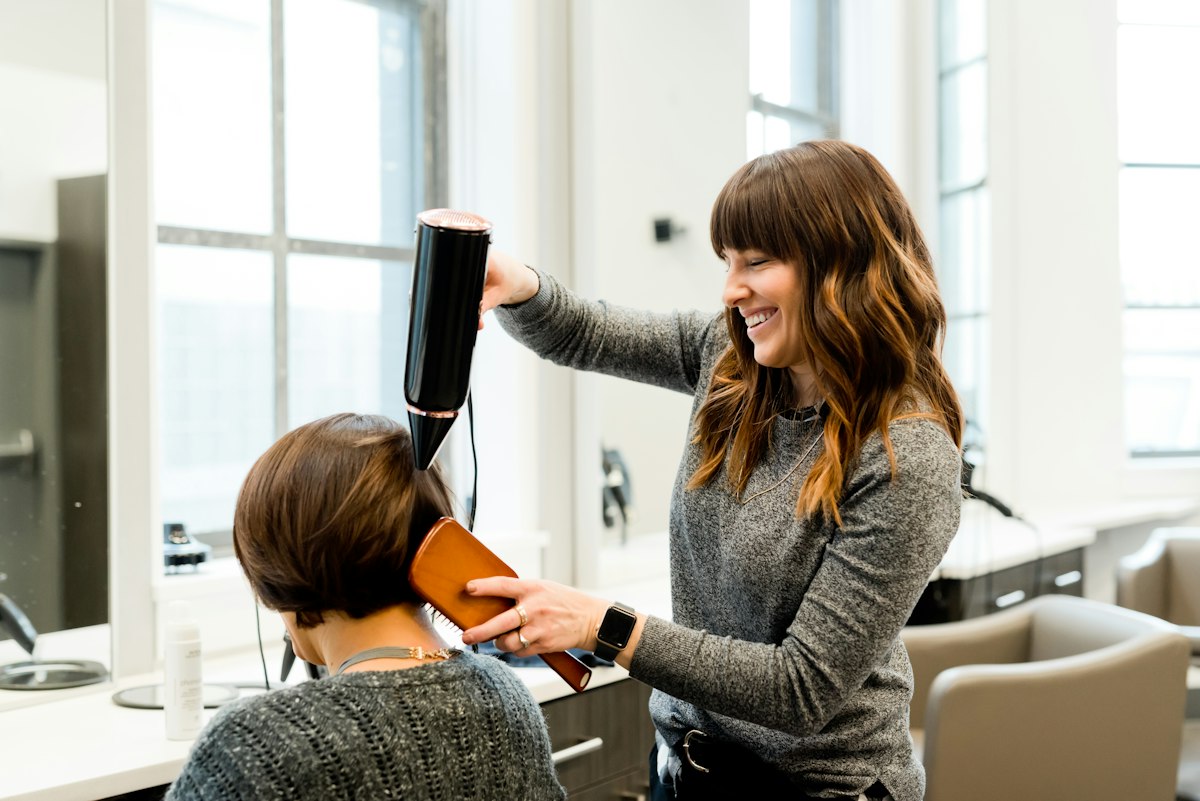
She cut off four centimeters — not the dramatic chop she feared, but enough to remove the most compromised ends. She started using a bond-repair treatment weekly. She dropped her flat iron temperature to 160°C and only used it twice a week. She switched to a silk pillowcase. She stopped using elastic bands and replaced them with silk scrunchies.
Six months later, her hair was still blonde. But it was different blonde — softer, more elastic, no longer snapping when she touched it. The breakage hadn't been inevitable. It had been the result of accumulated damage without enough recovery time built in.
The lesson: breakage at the ends is your hair telling you the balance between damage and repair has tipped the wrong way. It's a signal, not a sentence. But the earlier you catch it, the easier it is to reverse.