Hair Intelligence — Frizz
Why is my hair frizzy
after the shower?
She had tried every anti-frizz product on the market. Her bathroom looked like a hair care store. And every morning, without fail, the frizz was still there.
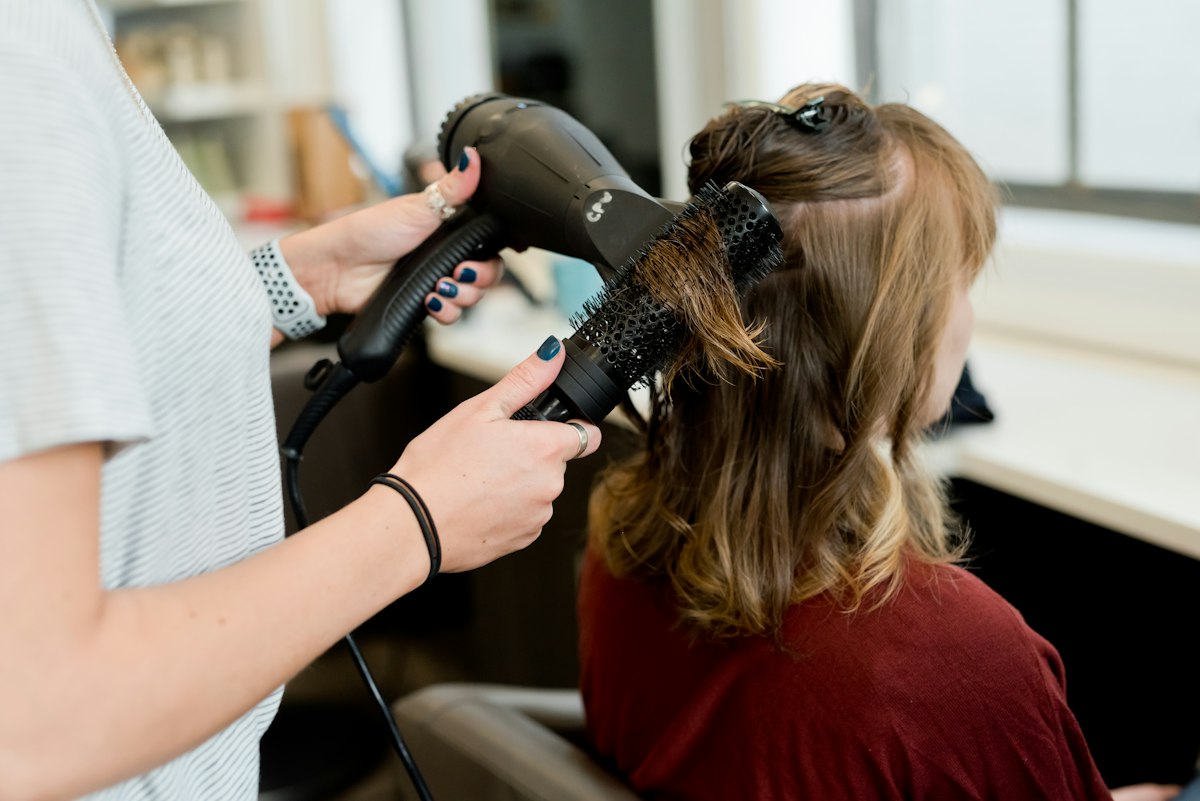
Isabel grew up in São Paulo, where the humidity is relentless and frizzy hair is practically a rite of passage. She'd made peace with it — sort of. But when she moved to London for work, she expected the cooler, drier climate to finally give her the smooth hair she'd always wanted. Instead, her frizz got worse.
Every morning was the same ritual. Shower, towel-dry, apply leave-in, apply serum, scrunch, diffuse. By the time she got to the office, the frizz had won. She'd tried drugstore products, luxury products, salon treatments. She'd watched hundreds of tutorials. She'd done the Curly Girl Method. Her hair remained defiantly, exhaustingly frizzy.
"At some point I just accepted that this was my hair," she said. "But something still didn't feel right. Other people with curly hair managed it. Why couldn't I?"
"Frizz is not a hair type. It's a symptom. It means your hair cuticle is open and looking for moisture it can't find inside the strand — so it grabs it from the air instead."
What frizz actually is
Each strand of hair is covered in a cuticle — tiny overlapping scales, like roof tiles. When the cuticle lies flat, hair looks smooth and reflects light. When the cuticle is raised — damaged, open, or missing — it catches humidity from the air and swells unevenly. That swelling is frizz.
The reason frizz is worst right after the shower is that this is when the cuticle is most vulnerable. Warm water, shampooing, and mechanical friction from washing all open the cuticle. If you don't close it before you step out, you're walking into the world with open, exposed hair that will grab whatever humidity it can find.
What was making Isabel's frizz worse
The towel — Isabel was using a regular terrycloth towel, rubbing her hair to dry it. That friction was roughing up the cuticle and creating frizz before she'd even applied a single product. Switching to a microfibre towel or a cotton t-shirt — gently squeezing rather than rubbing — made an immediate difference.
Hot water with no cold rinse — she was ending her shower with warm water, leaving the cuticle open. A 30-second cold rinse at the end of every wash closes the cuticle, adds shine, and dramatically reduces frizz before you even step out.
London's hard water — the mineral deposits from hard water interfere with how products absorb and can disrupt the cuticle's ability to close properly. This was the piece she hadn't expected — the same problem that had followed her from São Paulo, just from a different source.
Applying products to soaking wet hair — counterintuitively, applying leave-in to dripping wet hair can dilute the product and reduce its effectiveness. Squeezing out excess water first, then applying products to damp hair, allows them to actually penetrate and work.
What changed everything for Isabel
She installed a shower filter, switched to a microfibre towel, started ending every wash with a cold rinse, and changed how she applied her products. She didn't change the products themselves — just the method. Within two weeks, her hair was different. Not frizz-free, because that's not realistic for her hair type. But controlled, defined, manageable in a way it had never been before.
The frizz wasn't the problem. The frizz was the message. Her hair was telling her it wasn't getting the moisture it needed at the right moments — and once she listened, everything changed.