Hair Intelligence — Frizz
How to Wash Hair Without Making It Frizzy
Washing is supposed to clean your hair — not create a frizz problem you then spend the rest of the day managing. Here is the complete washing technique that prevents frizz from the first step to the last.
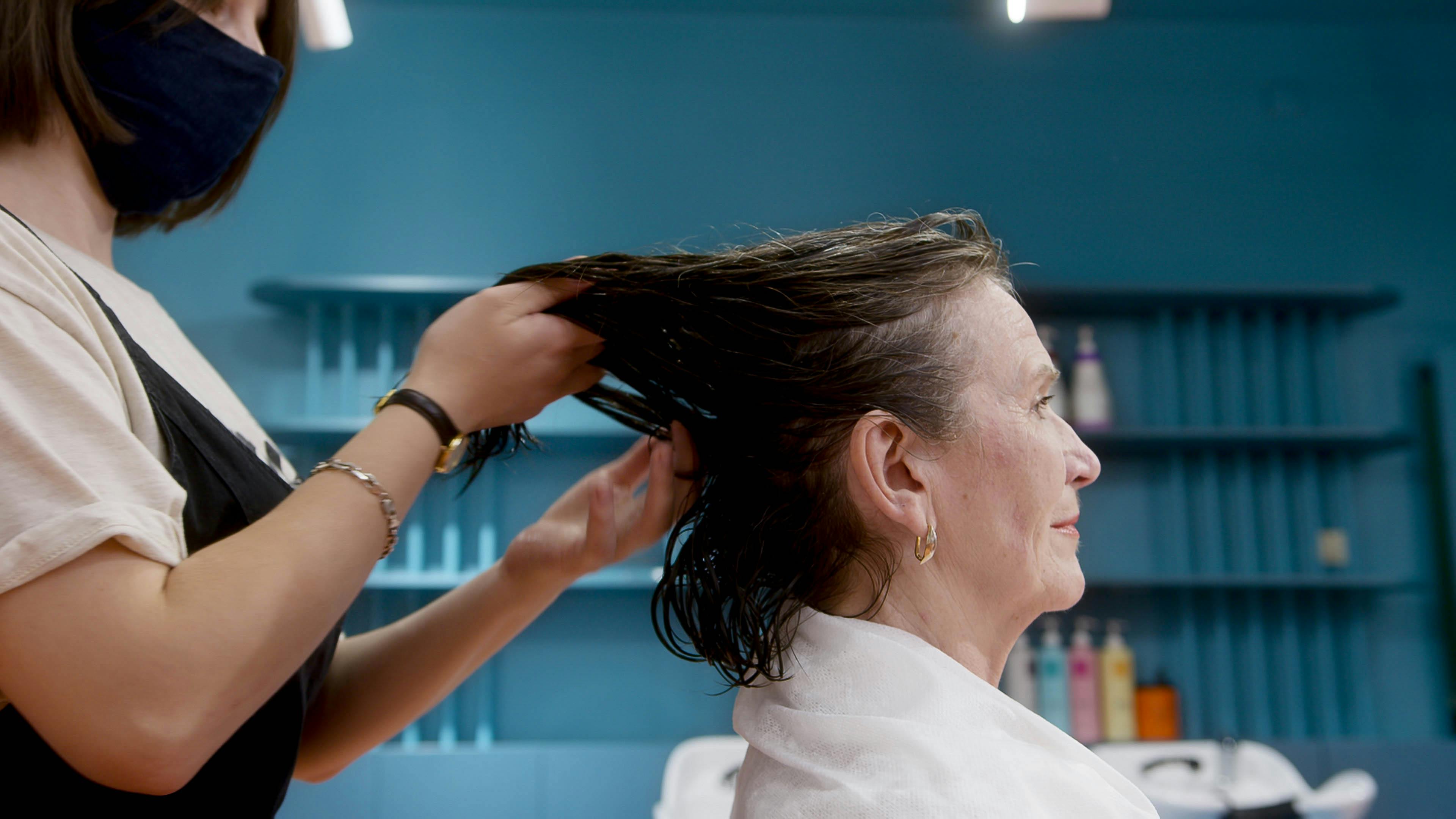
Post-wash frizz is not inevitable. It feels that way because most people learned to wash their hair the same way — hot water, vigorous lather, quick towel-dry — without anyone explaining what each of those steps does to the hair cuticle. Once you understand the mechanism, changing it is straightforward.
Every step of the washing process has the potential to either open or close the cuticle. The goal is to keep it as smooth as possible throughout, and to close it completely before you start drying.
"Frizz-free washing is not about which products you use. It is about what you do between turning on the tap and finishing the dry. Get that process right and the products matter far less than you think."
Step 1 — Water Temperature
Start with warm water, not hot. Hot water opens the cuticle aggressively and can begin stripping natural oils from the scalp even before you apply shampoo. Warm water opens the cuticle enough for effective cleansing without the excessive stripping that hot water causes. Your scalp should never feel like it is being steamed.
Step 2 — Shampoo Technique
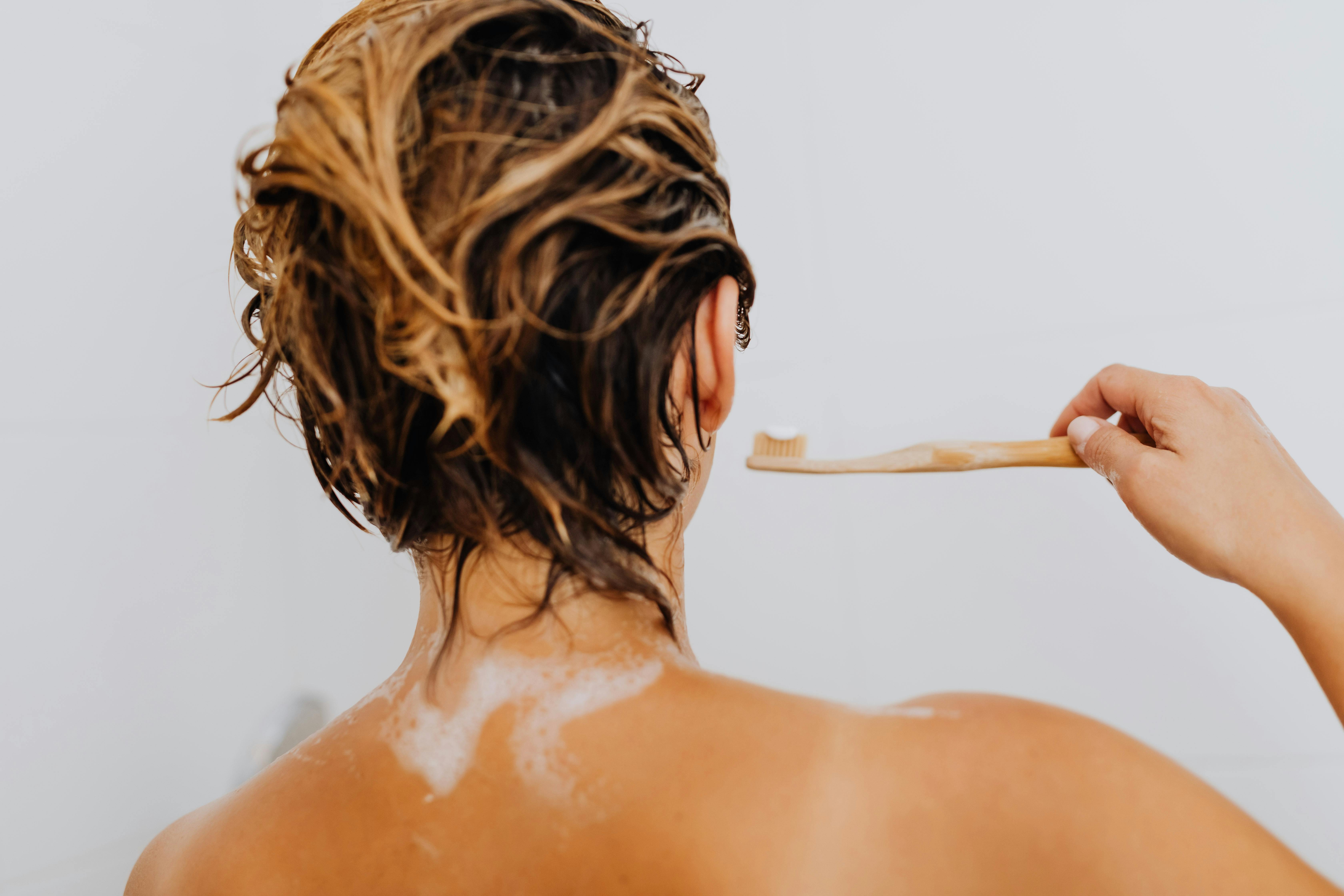
Focus shampoo on the scalp, not the lengths. The scalp is where sebum, sweat, and product buildup accumulate and where cleansing is genuinely needed. The lengths only need what runs down from the scalp rinse. Scrubbing shampoo into the lengths creates unnecessary friction on the cuticle and contributes to post-wash frizz and tangling.
Technique
Apply shampoo to the scalp only. Massage with fingertips — not nails — in circular motions. Let the rinse water carry diluted shampoo through the lengths. That is sufficient for daily or regular washing.
Step 3 — Condition Mid-Lengths and Ends
Apply conditioner from mid-lengths to ends — not the roots, which do not need it and become greasy quickly. Leave it for at least 2-3 minutes. Conditioner needs time to deposit its conditioning agents onto the hair shaft. A quick apply-and-rinse does very little for frizz control.
Step 4 — The Cold Rinse
This is the most important step and the most skipped. After all conditioner is rinsed out, turn the temperature to cold and rinse for 30 seconds. Cold water causes the cuticle to contract and close. You are physically sealing the cuticle before you step out of the shower. Everything you do after this — products, drying — is more effective because it is working with a closed cuticle rather than an open one.
Non-Negotiable
30 seconds of cold water, full length of hair, every wash day. Tilt your head back so the water runs from roots to ends. This one step changes post-wash frizz more than any product.
Step 5 — Leave-In Before the Towel
Step out of the shower. Before you touch a towel, apply your leave-in conditioner to soaking wet hair. Mid-lengths and ends. The water in your hair carries the product into the slightly open cuticle. If you wait until after towel-drying, the window is closed.
Step 6 — Microfiber Towel, Scrunch Upward
Replace your terry cloth towel with a microfiber towel or cotton T-shirt. Gently scrunch upward to remove excess water. No rubbing, no wringing. You just closed your cuticle with a cold rinse — do not reopen it mechanically within the first 30 seconds of stepping out.
Step 7 — Dry at Medium Heat, Finish Cold
If you blow dry, use medium heat only. High heat reopens and damages the cuticle during drying. Once your hair is 80% dry, switch to the cool shot for 20-30 seconds. This sets the cuticle in its closed position and significantly reduces how much the finished result reacts to ambient humidity.
"The cold rinse and microfiber towel are the two changes that make the biggest difference. They take 30 extra seconds combined and they work from the very first wash you try them."
Frequently Asked Questions
How do you wash your hair without it getting frizzy?
Use warm rather than hot water, rinse conditioner with cool water, end with a cold rinse, apply leave-in before touching a towel, use a microfiber towel instead of terry cloth, and dry on medium heat with a cool shot at the end. These six steps address every point in the wash process where frizz is created.
Should I wash my hair less often to reduce frizz?
For many people, yes. Over-washing strips natural oils that protect and nourish the cuticle, leaving it reactive and frizz-prone. If you currently wash daily, reducing to every other day or every two days allows the cuticle time to recover between washes and typically produces a noticeable reduction in frizz.
Does the order in which you apply products matter for frizz?
Yes, significantly. Leave-in conditioner should be applied to soaking wet hair before towel contact. This is when the cuticle is still slightly open and the water in your hair distributes the product evenly. Applying products after towel drying puts them on a partially closed, disturbed cuticle where they work much less effectively.
Is it better to let hair air dry or blow dry to avoid frizz?
Both can work if done correctly. Air drying without any product leaves the cuticle unprotected and prone to absorbing ambient moisture unevenly. Blow drying on high heat damages the cuticle. The best approach for frizz-prone hair is to apply a leave-in, blot with microfiber, and blow dry on medium heat finishing with a cool shot.
References
Robbins, C.R. (2012). Chemical and Physical Behavior of Human Hair. Springer. — Cuticle mechanics, water absorption, and temperature response.
Draelos, Z.D. (2010). Hair cosmetics. Dermatologic Clinics. — Shampooing techniques and cuticle preservation.
Free · 3 Minutes
Find out your exact frizz profile.
3 photos. 9 questions. A complete personalised diagnosis — free.
Begin Your Diagnosis →