Hair Intelligence — Washing
Why does my hair look so much better the day I don't wash it?
She washed her hair every morning for fifteen years. It always looked fine on day one and perfect on day two. The answer to that paradox turned out to say everything about what shampoo actually does — and what your scalp is doing without it.
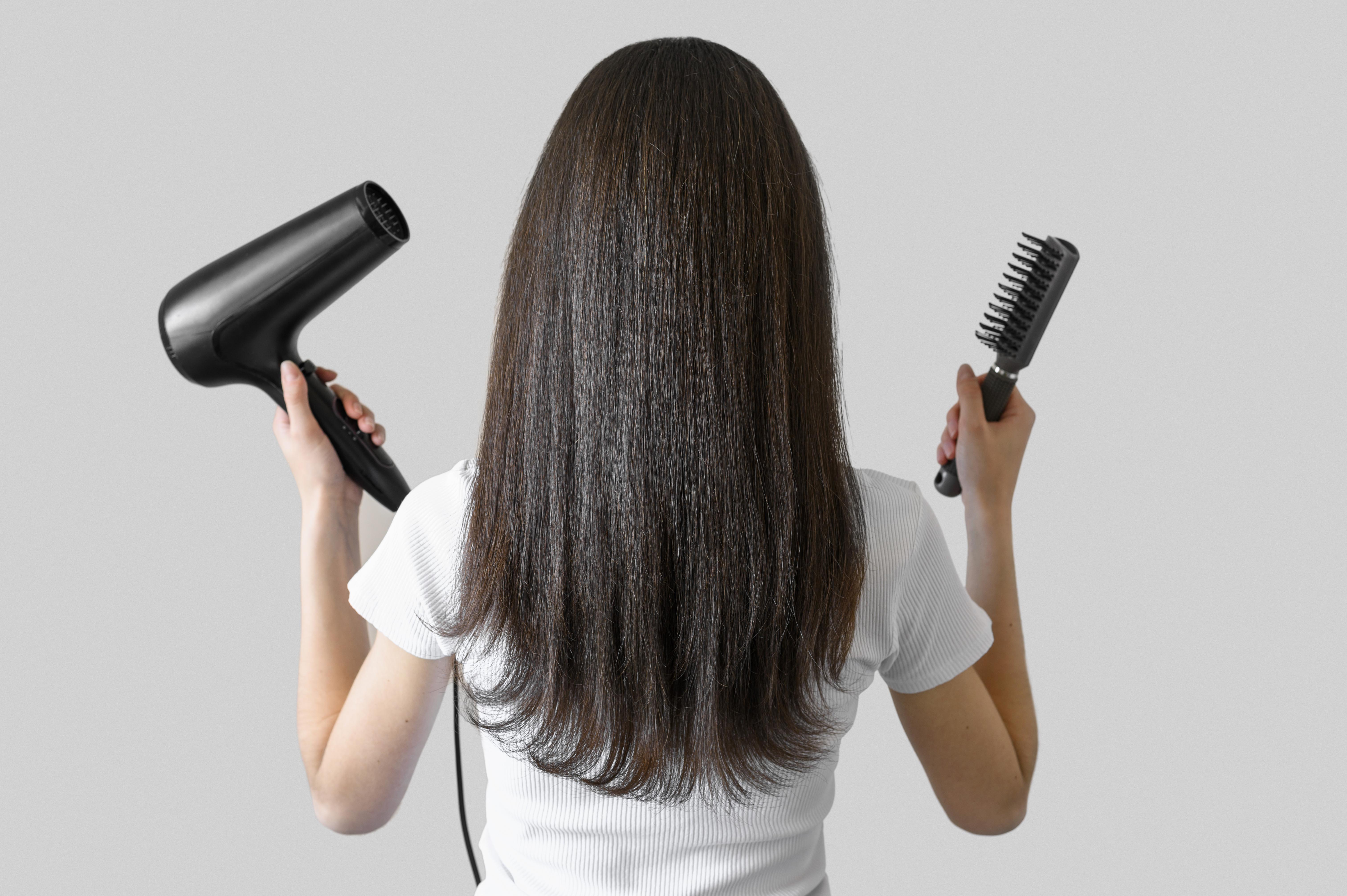
Marta is a morning shower person. Has been since university. For years she'd wash her hair daily, blow-dry it, go to work, and spend the whole day fighting with it — flat sections, no volume, a strange dullness that no product seemed to fix. Then she'd sleep on it, wake up the next morning, and her hair would look exactly the way she wanted it to look. She'd go to work on day-two hair, get compliments, and feel quietly confused about what the previous morning's effort had been for.
She's not unusual. Across every hair type, texture, and length, this is one of the most consistent observations people make about their own hair: freshly washed is rarely best. Day two — sometimes day three — is when the magic happens. Understanding why requires understanding two things: what shampoo actually does to hair, and what sebum actually is.
What shampoo actually does
Shampoo's primary mechanism is surfactancy. Surfactants are molecules with a water-loving end and an oil-loving end, and they work by attaching to oils and debris on the scalp and strand, then rinsing away with water. This is effective. It's also, in many formulations, indiscriminate.
The problem is that not all of what gets removed is dirt. The scalp produces sebum — a natural lipid complex secreted by sebaceous glands — that is genuinely good for your hair. Sebum travels down the hair shaft and performs several functions: it seals the cuticle, reduces friction between strands, adds a slight natural sheen, and provides a measure of protection against environmental damage. When you use a strong sulphate-based shampoo, you remove not just the excess sebum and product buildup but also the functional sebum layer that was conditioning your hair naturally.
"The problem isn't your hair on wash day. The problem is that you washed away the thing that was making it look good — and it takes 18 to 24 hours to come back."
This is why your hair feels clean but looks lifeless immediately after washing. The cuticle is raised, the natural lubricant is gone, and the strand has temporarily lost the coating that gave it movement and shine. By day two, the sebaceous glands have resupplied enough sebum to lay the cuticle back down and restore that natural finish — without the excess that would make it look greasy.
The role of hard water
There's another factor that makes wash-day hair worse than it should be, and it's one most people never consider: the water itself. In areas with high mineral content — London, Madrid, most of the Middle East, large swathes of the American southwest — the water that rinses your shampoo out is depositing calcium and magnesium ions onto your hair shaft as it goes. These minerals don't rinse clean. They sit on the cuticle, creating a film that makes hair feel rougher, look duller, and behave with less movement than it would after rinsing with soft water.
If you've ever washed your hair on holiday and noticed it looked better than usual — softer, shinier, more manageable — this is often why. It wasn't the sea air. It was the municipal water supply. A chelating shampoo used once a month removes mineral buildup and resets the baseline. But used every day, its stripping effect compounds the problem rather than solving it.
Why some hair types are more affected than others
Fine hair tends to show this effect most dramatically. Fine strands have a higher surface-area-to-mass ratio, which means any lifting of the cuticle — from washing, from mineral deposits, from static — affects a greater proportion of the strand's surface. The result is hair that looks flat and lacks definition on day one, then settles into shape as the cuticle flattens and sebum restores the strand coating overnight.
Coily and curly hair experiences this differently. The spiral structure of curly hair makes it harder for sebum to travel from the scalp down the full length of the strand — which is one of the reasons curly hair tends toward dryness, and why many curl specialists recommend washing only once or twice a week, sometimes less. For curly hair, wash day is often the most challenging day precisely because the water and shampoo disrupt the curl pattern that sebum and styling products had set.
What to actually do about it
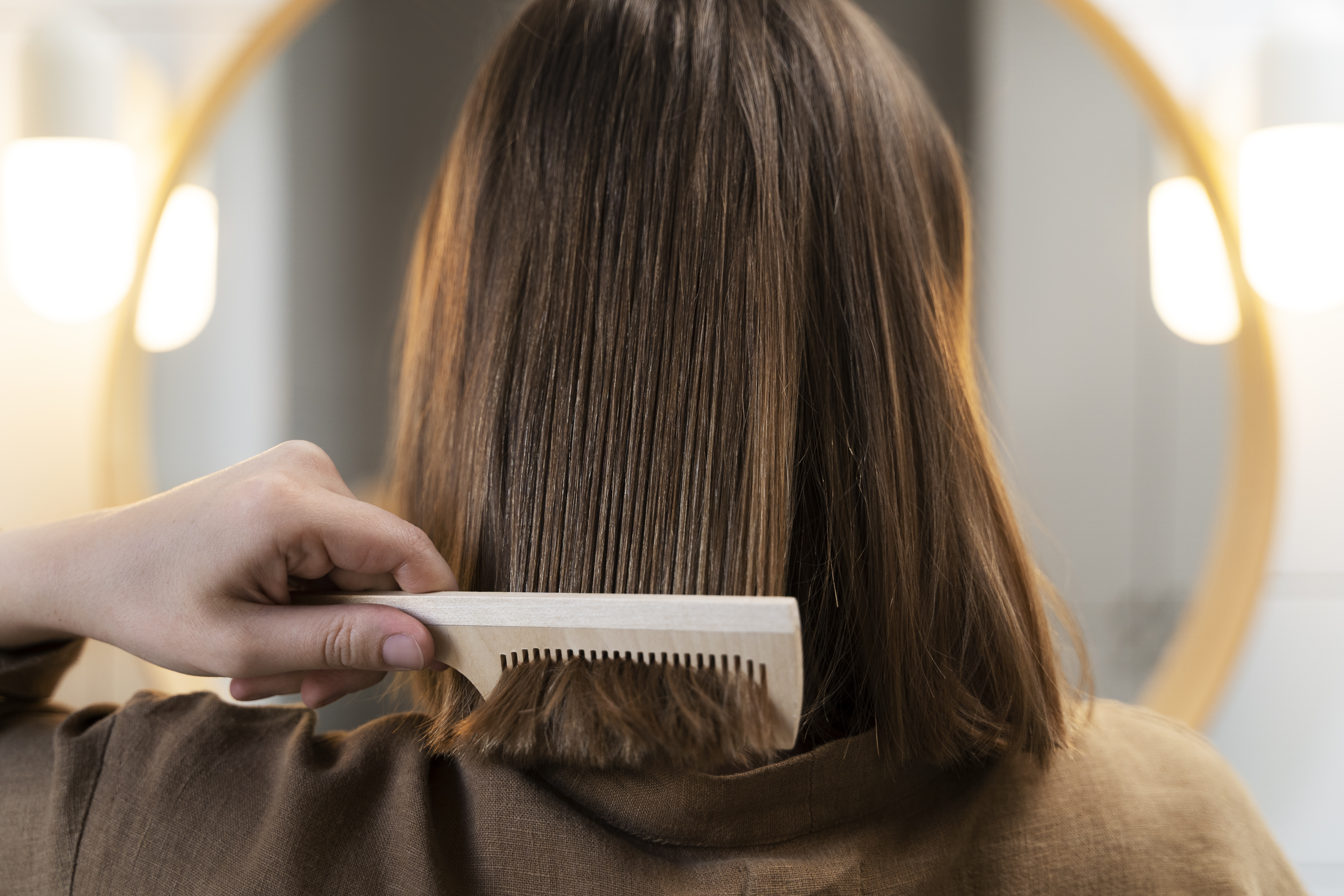
The simplest adjustment is to wash less frequently. For most hair types, every two to three days is sufficient — or once a week if your scalp tends toward dryness. The scalp adapts surprisingly quickly. If you've been washing daily for years, you'll likely experience an oily adjustment period of one to two weeks when you first cut back. That's the sebaceous glands recalibrating their output to a new baseline. Push through it, and you'll find your scalp produces less oil overall — because it no longer needs to compensate for daily stripping.
When you do wash, water temperature matters more than most people think. Hot water opens the cuticle and loosens sebum more aggressively than necessary. Finishing with a cool or cold rinse closes the cuticle back down and adds the kind of surface smoothness that makes hair look like it's been professionally blown out.
Finally, if your goal is to replicate day-two hair on day one, a lightweight leave-in conditioner or a small amount of hair oil applied to the mid-lengths and ends after washing can approximate the sebum layer that hasn't had time to return yet. Not a replacement for the real thing, but a reasonable bridge.
Marta now washes her hair twice a week. She still has days when her hair looks better than others. But she no longer spends her mornings working against her own biology to produce a result that 24 hours of doing nothing would have given her for free.