Hair Intelligence — Scalp Health
Why does my scalp itch right after I wash my hair?
The itching didn't happen when her scalp was dirty. It happened within an hour of washing it. She'd tried five different shampoos, convinced something in them was triggering an allergy. She was wrong about the cause — but she was asking exactly the right question.
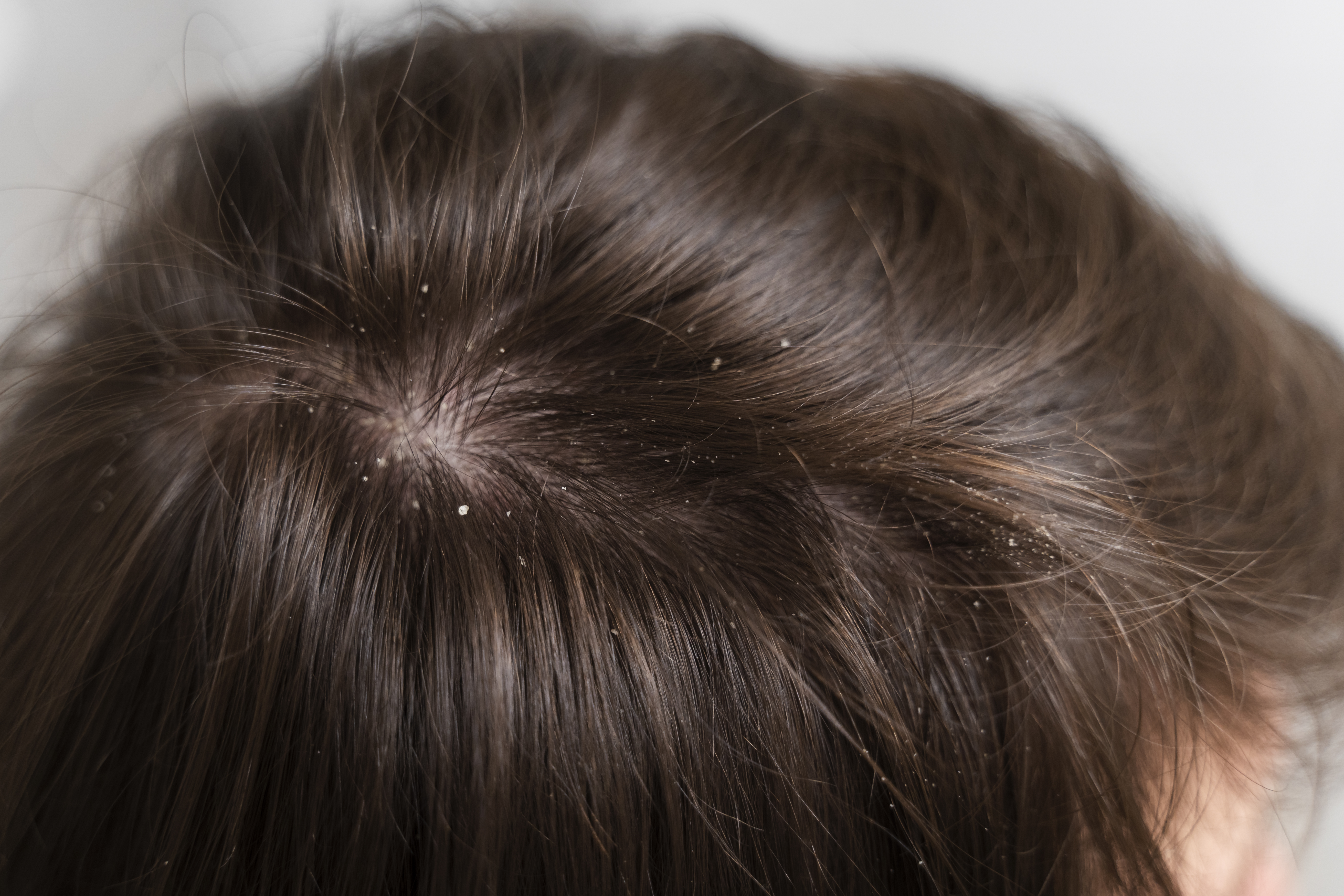
Leila started noticing it in her late twenties. She'd wash her hair in the morning, get dressed, sit at her desk, and within forty minutes her scalp would start to prickle. Not a burning sensation — more like a restlessness, a persistent awareness that something was wrong up there. By the afternoon it was worse. By the next morning, before she'd washed again, it was gone.
Her first assumption — that a shampoo ingredient was causing a reaction — is the most common one, and it's occasionally correct. But for Leila, and for the majority of people who describe this exact pattern of post-wash itching, the cause was something more fundamental: her shampoo was disrupting her scalp's pH, and her scalp was protesting about it.
The scalp's pH and why it matters
Healthy skin has an acidic surface — the "acid mantle," a thin film of sebum and sweat secretions that sits on the skin's surface with a pH of around 4.5 to 5.5. This slight acidity is not accidental. It's maintained actively by the skin because it performs two critical functions: it keeps the skin's barrier proteins in their correct structural configuration, and it creates an inhospitable environment for harmful bacteria and fungi.
The scalp has its own acid mantle, operating within that same pH range. Most shampoos — particularly mainstream, sulphate-based formulations — are alkaline, with a pH typically between 6.5 and 8. When an alkaline product is applied to an acidic surface, it temporarily disrupts the pH balance. The cuticle, which relies on acidity to stay flat and sealed, lifts. The scalp barrier, which relies on acidity to maintain its integrity, becomes transiently compromised. Nerve endings that sit just below the skin surface become more sensitive and reactive. The result: itching, tightness, or a prickling sensation that starts shortly after washing and resolves as the scalp gradually restores its natural pH over several hours.
"The shampoo wasn't causing an allergic reaction. It was doing exactly what it was designed to do — just to a scalp that needed something more carefully calibrated."
Why some people are more affected than others
Everyone's scalp has its own baseline pH, and everyone's scalp barrier has a different capacity to recover from disruption. People with naturally sensitive skin, eczema, or a tendency toward dermatitis tend to have scalp barriers that recover more slowly — meaning the window of post-wash vulnerability lasts longer and feels more intense. People who wash very frequently give their scalp less recovery time between disruptions, compounding the effect. And people who use very hot water — which strips the acid mantle more aggressively than warm water — tend to experience more pronounced post-wash sensitivity regardless of their baseline skin type.
There's also a secondary possibility worth ruling out: product residue. Conditioners, dry shampoos, serums, and styling products that aren't fully rinsed can sit on the scalp and irritate it hours later, particularly if they contain fragrances, preservatives, or film-forming polymers. If the itching is worse on days when you've used more products, this is worth investigating separately from the pH question.
The role of Malassezia
A third factor, less often discussed but surprisingly relevant: the yeast Malassezia. This fungus lives on virtually all human scalps — it's part of the normal scalp microbiome — but it feeds on lipids, particularly sebum. When the scalp is freshly washed and the sebum layer has been removed, Malassezia may trigger a mild inflammatory response as it adjusts to the changed lipid environment. In people with dandruff or seborrhoeic dermatitis, this response is more pronounced. If your post-wash itching comes with flaking, redness, or a slightly greasy rebound the following day, Malassezia overgrowth may be contributing and warrants specific treatment — typically an antifungal shampoo used once a week.

What actually helps
The most impactful change is switching to a pH-balanced shampoo. These are formulations designed to match the scalp's natural acidity — typically with a pH between 4.5 and 5.5 — rather than the alkaline range of most conventional shampoos. They're less common in supermarket aisles but increasingly available in professional ranges and specialist retailers. Look for them marketed specifically as "scalp-friendly," "low pH," or "pH-balanced." The difference, for sensitive scalps, is often immediate and significant.
Water temperature is the easiest adjustment to make without buying anything new. Washing with warm rather than hot water reduces the degree of acid mantle disruption during the wash. A cool rinse at the end closes the cuticle and restores surface pH slightly faster. Neither of these things sounds dramatic enough to matter, but for scalp sensitivity specifically, temperature may be the single variable with the most consistent effect.
If you use styling products, ensure they're fully rinsed during washing and allow enough water to flow over the scalp at the end of your shower. The rinse step is consistently rushed — most people spend thirty seconds on it when two to three minutes would make a meaningful difference to residue removal.
Finally, reduce frequency where possible. Each wash cycle disrupts the acid mantle. The more frequently you wash, the less time the scalp has to restore its barrier before the next disruption. For scalps that itch post-wash, every additional wash day is another event the barrier has to recover from. Going from daily to every-other-day washing reduces the cumulative disruption by half — and for many people, that alone is enough to reduce the itching to a manageable level.
What Leila changed
She switched to a pH-balanced, sulphate-free shampoo. She turned the shower temperature down by what felt like one degree but was actually closer to five. She stopped washing daily and moved to every second day. Within three weeks, the post-wash itching that had annoyed her for four years had reduced by around seventy percent. It didn't disappear entirely — her scalp is naturally sensitive and always will be — but it stopped being the thing she thought about for the rest of the morning after every wash. For a problem that had no dramatic solution, the ordinary adjustments turned out to be more than enough.