Hair Intelligence — Hair Loss & Recovery
I lost my hair three times.
Here's the routine that
finally saved it.
Chemical treatments, salon disasters, and two rounds of major hair loss. What I finally learned — and why this time feels different.
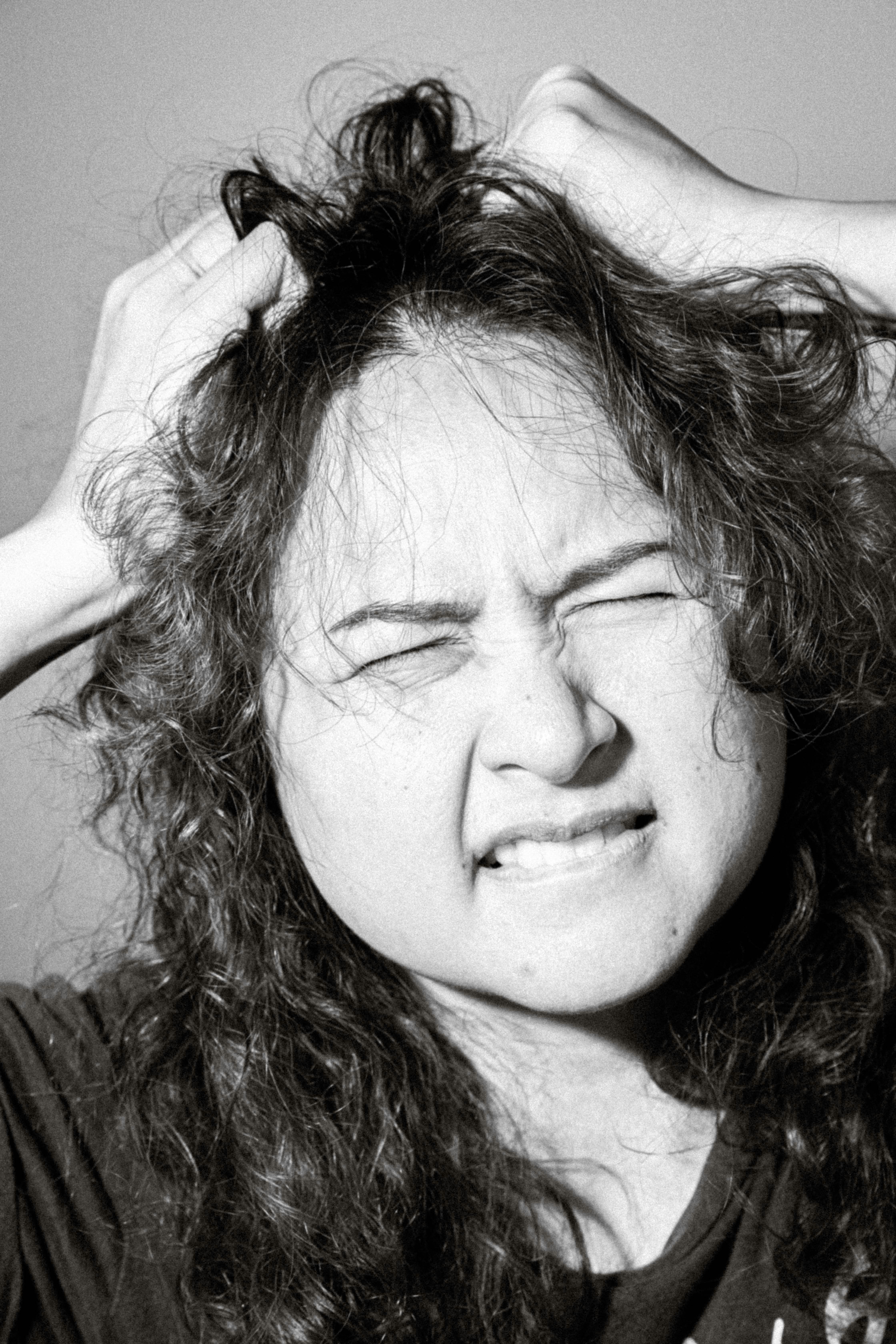
My hair has been my karma my entire life.
I started straightening it at 12. Curly, unruly hair that I never knew how to manage. No one taught me. Chemical straightening was the solution, or so I thought.
At 16, a badly applied treatment left my hair falling out in handfuls. My mother made the decision: it had to be cut. I cut it. And then I went back to straightening.
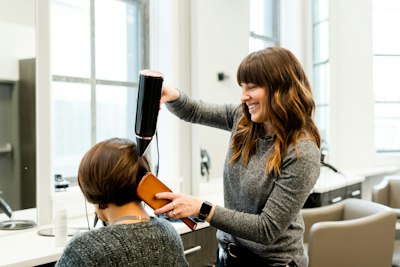
That went on for years. Sometimes lucky, sometimes with results I'd rather forget. Until last year, when I decided to go to a professional salon, convinced that this time would be different. It wasn't. I lost half my hair in one afternoon. Then I did it again.
What followed was a long road. But I got there. A year later my hair had come back — long, full, thicker than I remembered. I almost couldn't believe it.
And then I made the mistake you only make when you've forgotten what it feels like to lose your hair.
"I stopped treating my hair like a problem to solve and started treating it like something alive that needs time, consistency, and love — from the inside and the outside."
The second collapse
My recovered hair was curly in the middle, with frizz I couldn't control. I tried curl products and nothing worked. It was as if my hair didn't know it was curly anymore — as if years of chemical straightening had confused it so completely that it had forgotten its own nature.
I panicked. I applied a no-heat keratin treatment.
You can already guess the result.
I lost half the volume I had spent a year recovering. This time I stayed still for a moment. I told myself: time is everything. I need to act with wisdom, not desperation. And for the first time in my life, I actually did.
What I did differently this time
First, I cut. Four fingers of burned ends. It's a lot, I know. But hair grows back, and it cannot grow back healthy from ends that have nothing left to give.
I changed my shampoo. My hair's needs had changed — it needed something that repaired without stripping. I started with L'Oréal Professionnel's molecular repair line, with the mask and the leave-in.
I added protein once a week. The TRESemmé mask applied dry, 40 minutes before washing. No heat. No rushing.
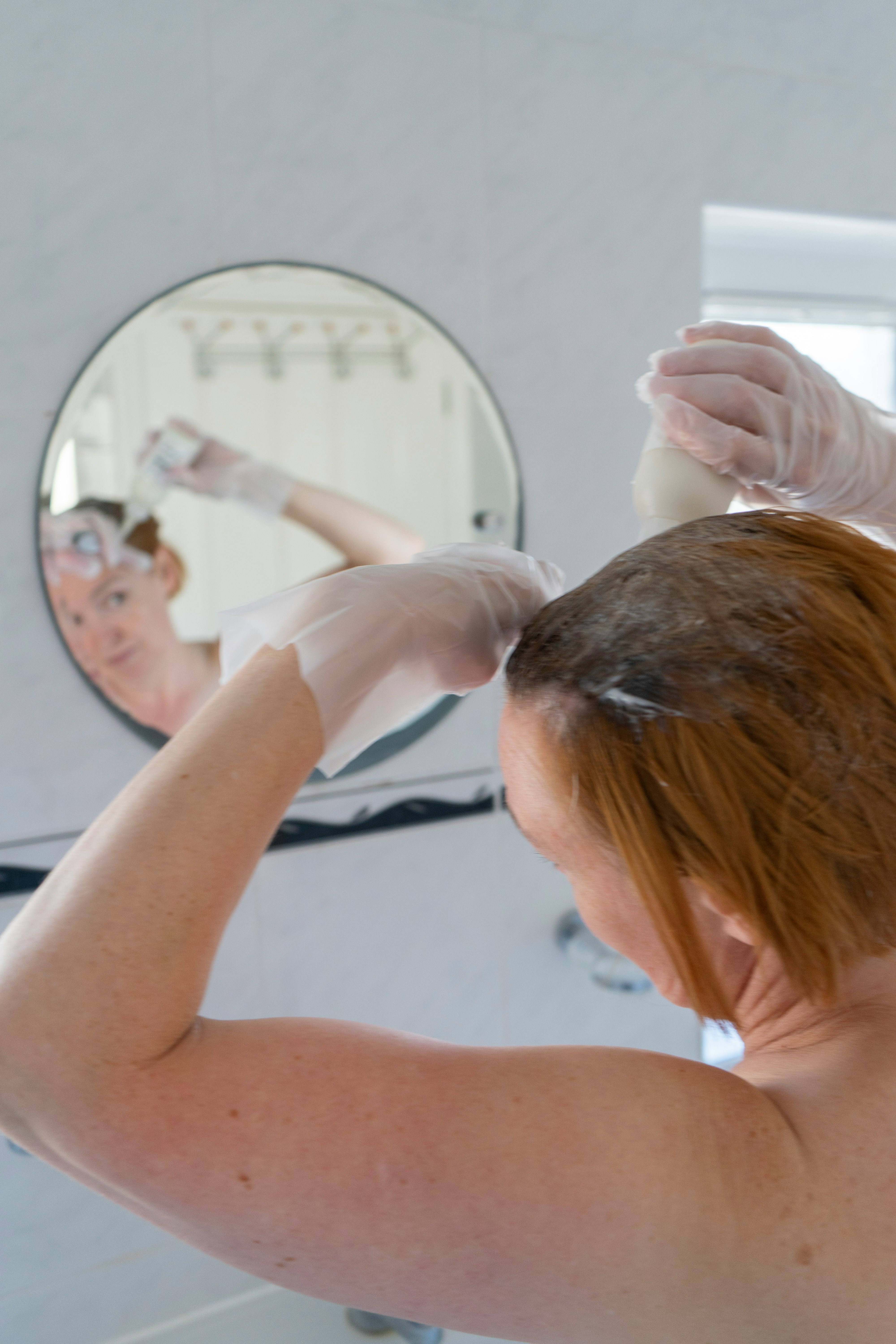
I started using Olaplex. The oil regularly, and Olaplex 3 once a week — between 40 minutes and an hour before washing. The difference was immediate: less shedding, more shine, that feeling of weakness the hair had started to disappear.
As a final step I added Serioxyl by L'Oréal to address things at the root. A dermatologist told me something I never forgot: for hair to grow healthy, you first need a clean and healthy scalp. So I started there.
I wash my hair when it feels dirty — usually every other day. I avoid brushing with force. I treat it like silk.
But the biggest change wasn't in the bathroom
It was in the kitchen. And in my running shoes.
I started eating eggs every day, or almost every day. Not because someone told me to — but because I understood that hair is built from the inside. The keratin that forms each strand needs amino acids, and eggs are one of the most complete sources that exist.
I also started moving my body every day. Something, anything — weights, running, or simply walking. Exercise improves circulation in the scalp, delivers more oxygen and nutrients to the follicles, and reduces cortisol, which is one of the most documented causes of hair loss.
I wanted to give my body every tool from the inside so it could show up in the new hair I'm going to have.
If you're going through this right now
I'm telling you from experience: it will pass.
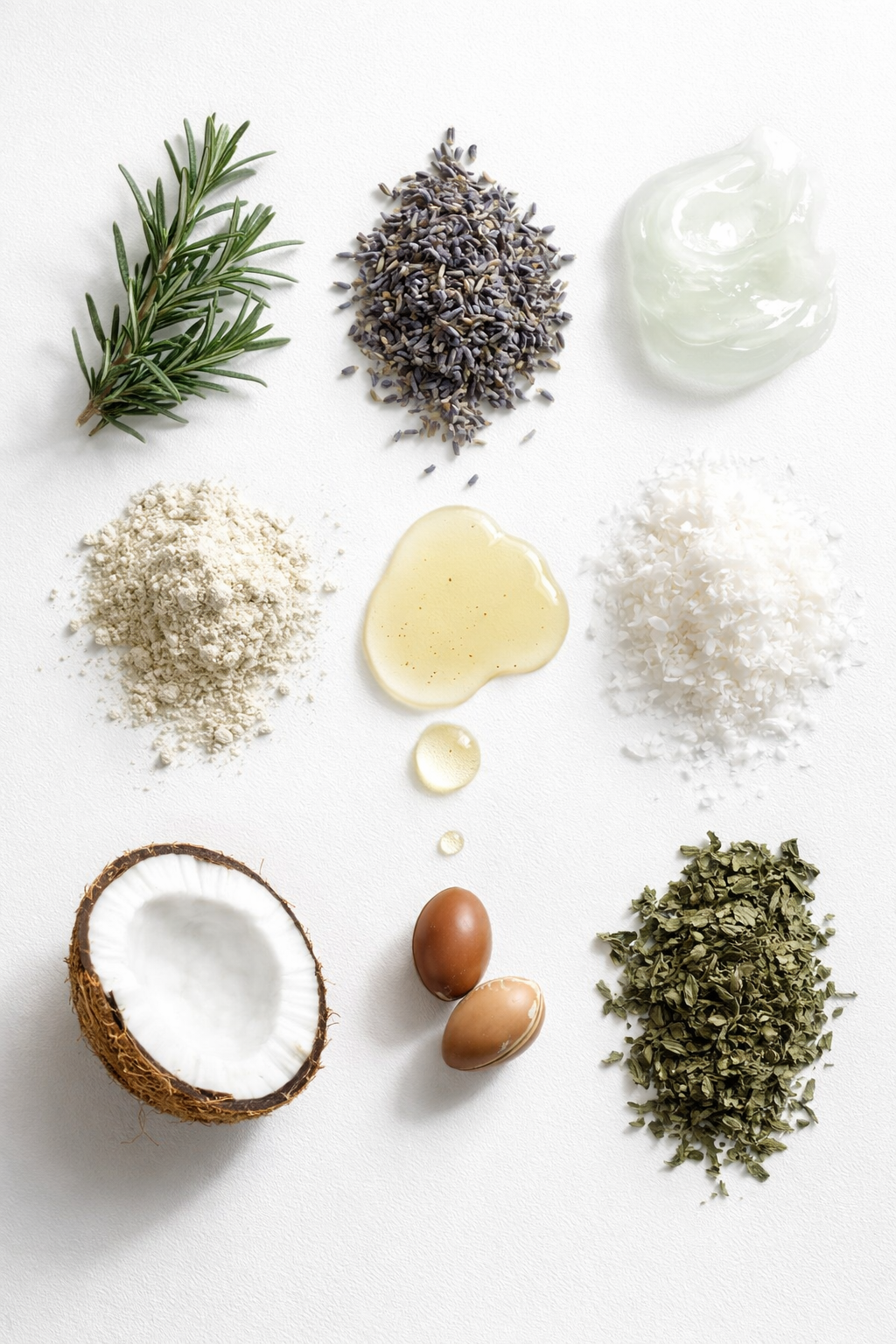
But you need to understand what your hair is asking for in this moment. When hair breaks, turns gummy, or falls out after a chemical treatment, science says it needs:
What I learned
Losing your hair makes you spend on products, try everything, make decisions from fear. I know because I did it twice.
The difference this time wasn't the product. It was me. I stopped treating my hair like a problem to solve and started treating it like something alive that needs time, consistency, and love from the inside and the outside.
My hair is still shedding — less than before. It looks shinier. It feels stronger. And I, for the first time, am not at war with it.
Time is everything. And my hair, this time, is giving it back to me.