Hair Intelligence — Frizz
Why Is My Hair Frizzy at the Roots
but Straight at the Ends?
Your roots puff up into frizz while your ends stay flat and straight. It looks contradictory. It is not — this specific combination has a specific cause and a specific fix.
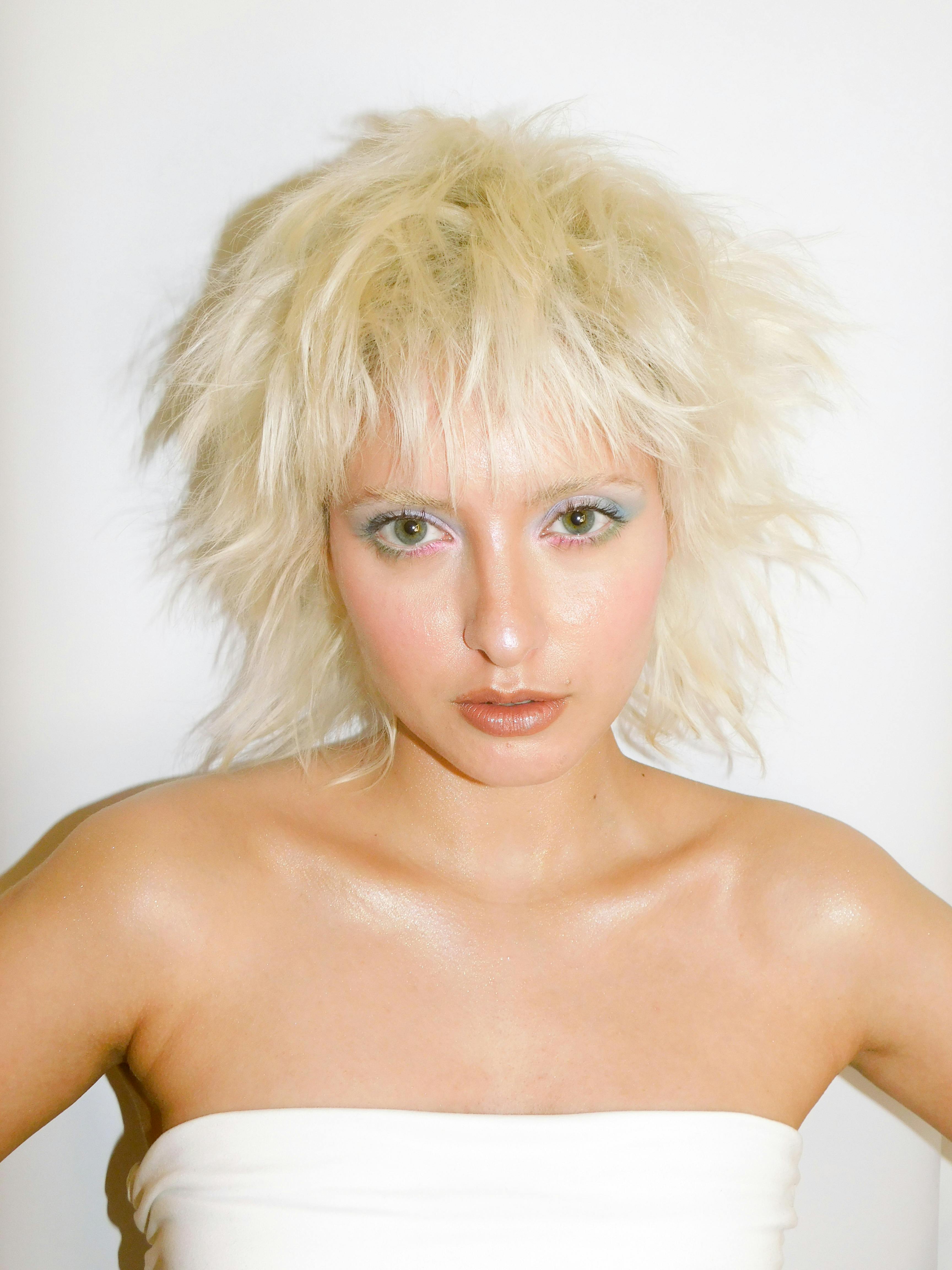
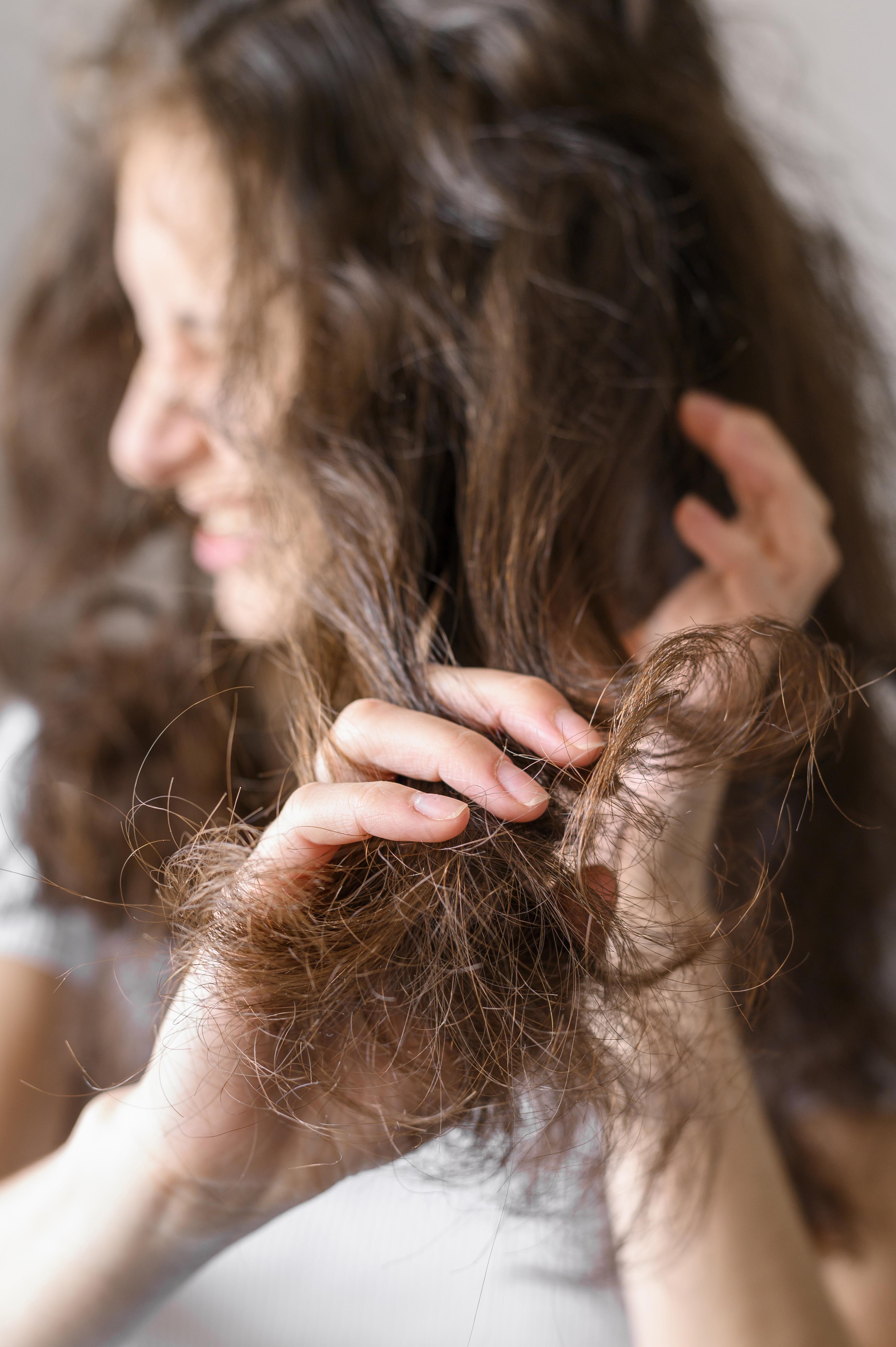
Root frizz with straight ends is one of the most visually obvious hair problems because the contrast is so stark. The top of your head looks like it is trying to go in every direction while the rest of your hair cooperates perfectly. And because it is such a localised problem, most generic anti-frizz advice does not address it specifically.
"Root frizz is not the same as all-over frizz. It has different causes and requires targeted solutions — not the same approach you would use for general post-shower frizz."
The Most Common Causes
1. New Growth With Different Texture
This is the most common cause. The hair at your roots is the newest — it has not been exposed to heat styling, sun, chemical treatments, or mechanical wear. If your natural texture is wavier or curlier than your styled lengths, the new growth will show that natural texture before it has been smoothed by your routine. This is especially noticeable after bleaching, relaxing, or extended periods of heat styling that have altered the texture of your existing hair.
The Fix
Apply a small amount of light hold cream or gel to the roots while damp and dry with a diffuser on low-medium heat. This helps the new growth dry with definition rather than puffing out. It works with the natural texture rather than trying to force it to match the treated lengths.
2. Scalp Oil and Product Buildup
The roots sit closest to the scalp — the most active zone for sebum production, sweat, and product accumulation. When product builds up at the roots, it creates a different moisture environment than the lengths. The roots can become simultaneously oily and reactive, swelling with humidity while the drier lengths stay flat. This is the oily-roots, dry-ends texture problem expressed as a frizz issue.
The Fix
Stop applying leave-in, serum, and styling products to your roots. These products are for mid-lengths and ends only. The roots have enough natural sebum — adding product creates buildup that makes root frizz worse. If buildup is significant, use a clarifying or chelating shampoo once a week on the scalp only.
3. Sweat and Heat From the Scalp
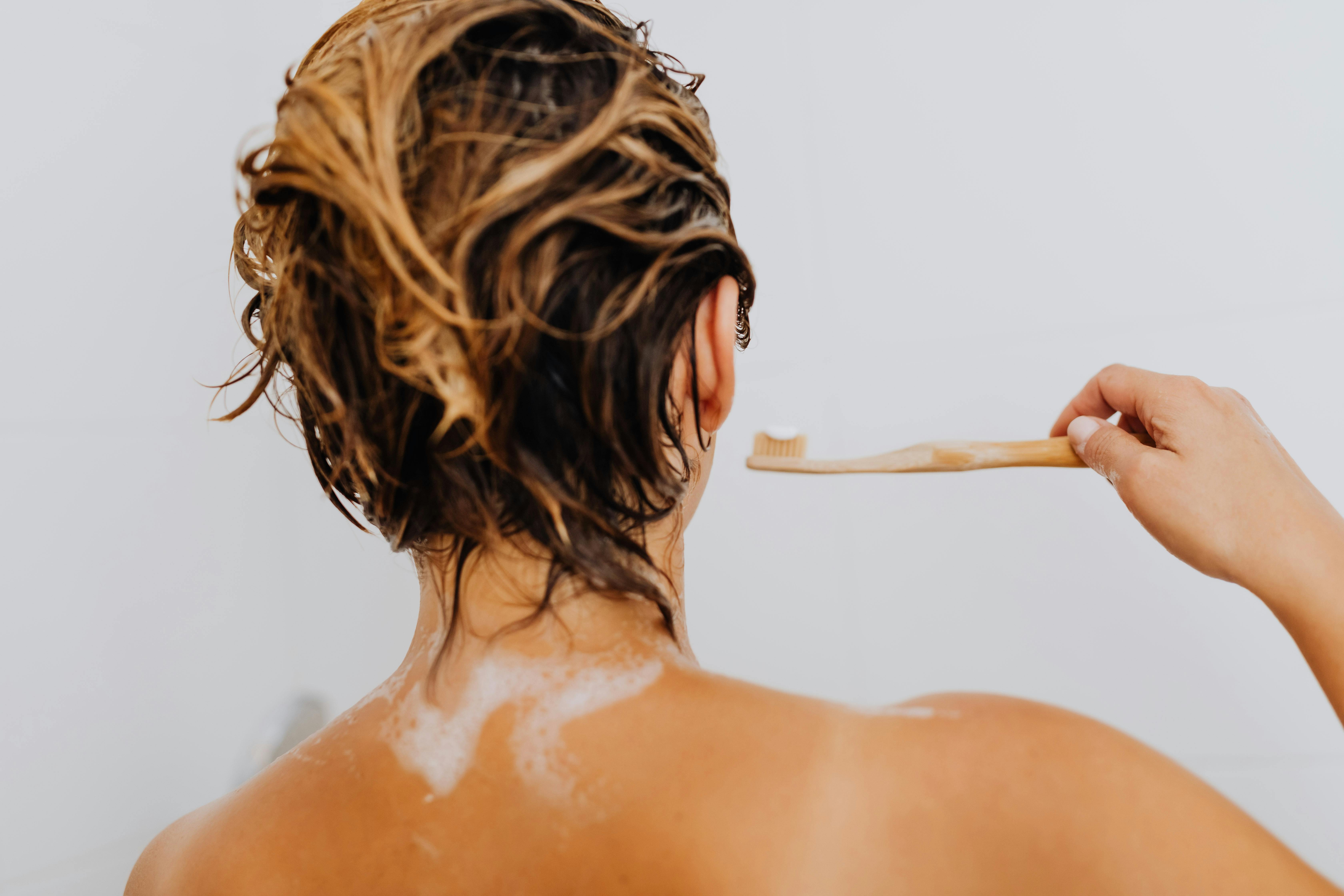
The scalp is warm and produces sweat during exercise, in hot weather, and even during sleep. This warmth and moisture affects the hair closest to the scalp first — opening the cuticle at the roots while the cooler, drier lengths remain undisturbed. If your root frizz is consistently worse after exercise, in hot weather, or after sleeping, scalp heat and sweat is the driver.
The Fix
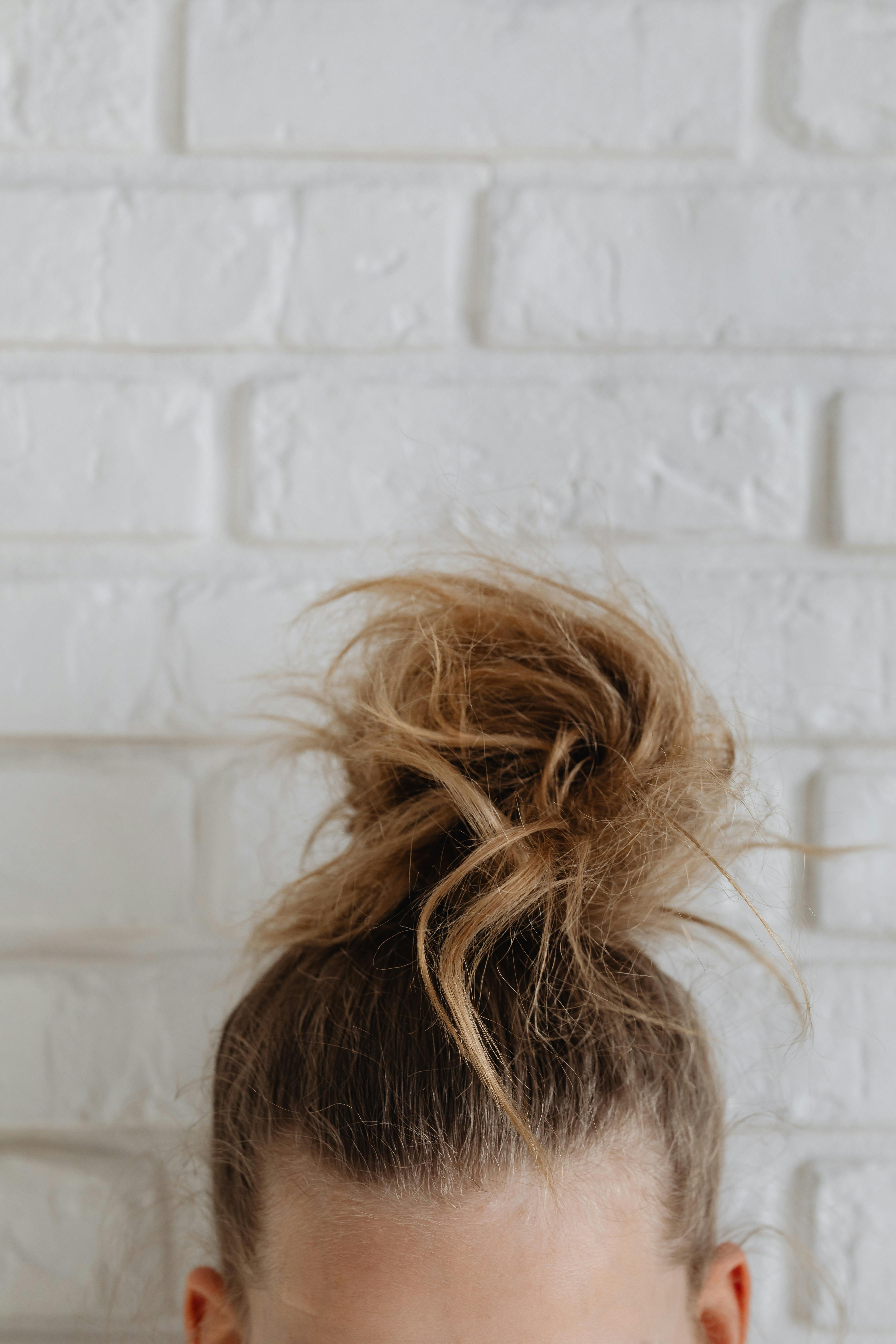
A lightweight scalp serum or dry shampoo applied to the roots on non-wash days can absorb excess moisture and reduce the reactive environment at the scalp. For exercise specifically, loose styles that keep the roots away from the scalp — loose braids, a low bun — prevent the trapped heat and moisture that creates post-workout root frizz.
4. High Porosity at the Roots
Newly grown hair can be more porous than expected — especially if you have had any chemical treatments, nutritional changes, or hormonal shifts in the past year. High porosity roots absorb humidity rapidly, swelling and frizzing while the lower-porosity lengths remain smoother. If you notice your root frizz is significantly worse on humid days, porosity is likely involved.
The Fix
Apply a protein treatment to the roots specifically — once a month. Protein temporarily fills the gaps in a high-porosity cuticle, reducing how aggressively it absorbs humidity. Do not over-protein — once a month or every 4-6 weeks is sufficient for most people.
"Stop applying styling products to your roots. That single change resolves product-buildup root frizz for most people within two wash days — and it is completely free."
Frequently Asked Questions
Why are my roots frizzy but my ends are straight?
Root frizz with straight ends is almost always caused by one of two things: new growth coming in with a different texture than the rest of the hair, or scalp sebum and product buildup at the roots creating a different moisture environment than the lengths. The roots sit closest to the scalp, which is the most active zone for temperature, sweat, and oil — all of which affect how the hair behaves.
How do I fix frizzy roots and flat ends?
For texture-related root frizz, a light hold product applied to the roots while damp and dried with a diffuser on low helps define and smooth the new growth. For sebum-related root puffiness, reducing how often you apply products to the roots and clarifying the scalp once a week reduces the buildup that causes root swelling.
Can humidity cause only the roots to frizz?
Yes. The roots are the most recently grown hair and often the most porous — especially if you have any regrowth after treatments. They are also closest to the warm, humid environment near the scalp. Both factors make roots more reactive to ambient humidity than mid-lengths and ends.
Why is my hair naturally different textures at the roots and ends?
Natural texture variation from root to end is common, especially after chemical treatments, significant heat damage, hormonal changes, or periods of nutritional stress. The hair at your ends was grown months or years ago under potentially different conditions than the hair currently at your roots. This difference in condition and sometimes in natural curl pattern creates the mixed texture result.
References
Robbins, C.R. (2012). Chemical and Physical Behavior of Human Hair. Springer. — Porosity variation along the hair shaft and root-to-tip condition differences.
Franbourg, A. et al. (2003). Current research on ethnic hair. Journal of the American Academy of Dermatology. — Hair texture variation and sebum distribution.
Free · 3 Minutes
Find out your exact hair profile.
3 photos. 9 questions. A complete personalised diagnosis — free.
Begin Your Diagnosis →