Hair Intelligence — Scalp Health
Itchy Scalp at Night? 9 Hidden Causes You Didn't Know
If your scalp only itches at night, you've already tried the wrong things. New shampoo. Anti-dandruff formula. Washing more. Washing less. Nothing changed — because the answer isn't in your shower. It's in your bedroom.

The moment your scalp itches exclusively at night is the moment you need to stop treating it like a hair problem. It's an environment problem. Something in your immediate surroundings — your pillow, your bedroom temperature, your laundry detergent, or what's been accumulating on your scalp all day — is triggering a response that your body amplifies the second you lie down.
Here are the 9 causes nobody talks about, and exactly what to do about each one.
"A scalp that only itches at night is a scalp reacting to something in its environment, not a scalp that needs medicated shampoo."
1. Your Pillow Is the Problem
Your pillowcase is in contact with your scalp for 7-8 hours every night. If it's not washed frequently, it accumulates sweat, skin cells, product residue, and dust mites — all of which are potent irritants for a sensitive scalp. Cotton pillowcases are particularly rough on the scalp and can worsen inflammation.
The Fix
Wash your pillowcase every 3-4 days. Switch to silk or satin — both reduce friction and don't trap irritants as aggressively as cotton. This single change eliminates nighttime scalp itch for many people within a week.
2. Your Body Temperature Rises at Night
Your core body temperature naturally increases during the early stages of sleep. This raises scalp temperature too, which increases blood flow to the skin — and with it, the intensity of any existing inflammation or irritation. An itch that was a 2 out of 10 during the day becomes a 7 out of 10 at night for this reason alone.
The Fix
Keep your bedroom cooler, ideally between 16-19°C. A cooler scalp means less vasodilation, which means less itch sensation. This is not a cure but it meaningfully reduces the intensity while you address the root cause.
3. Product Buildup Fermenting on the Scalp
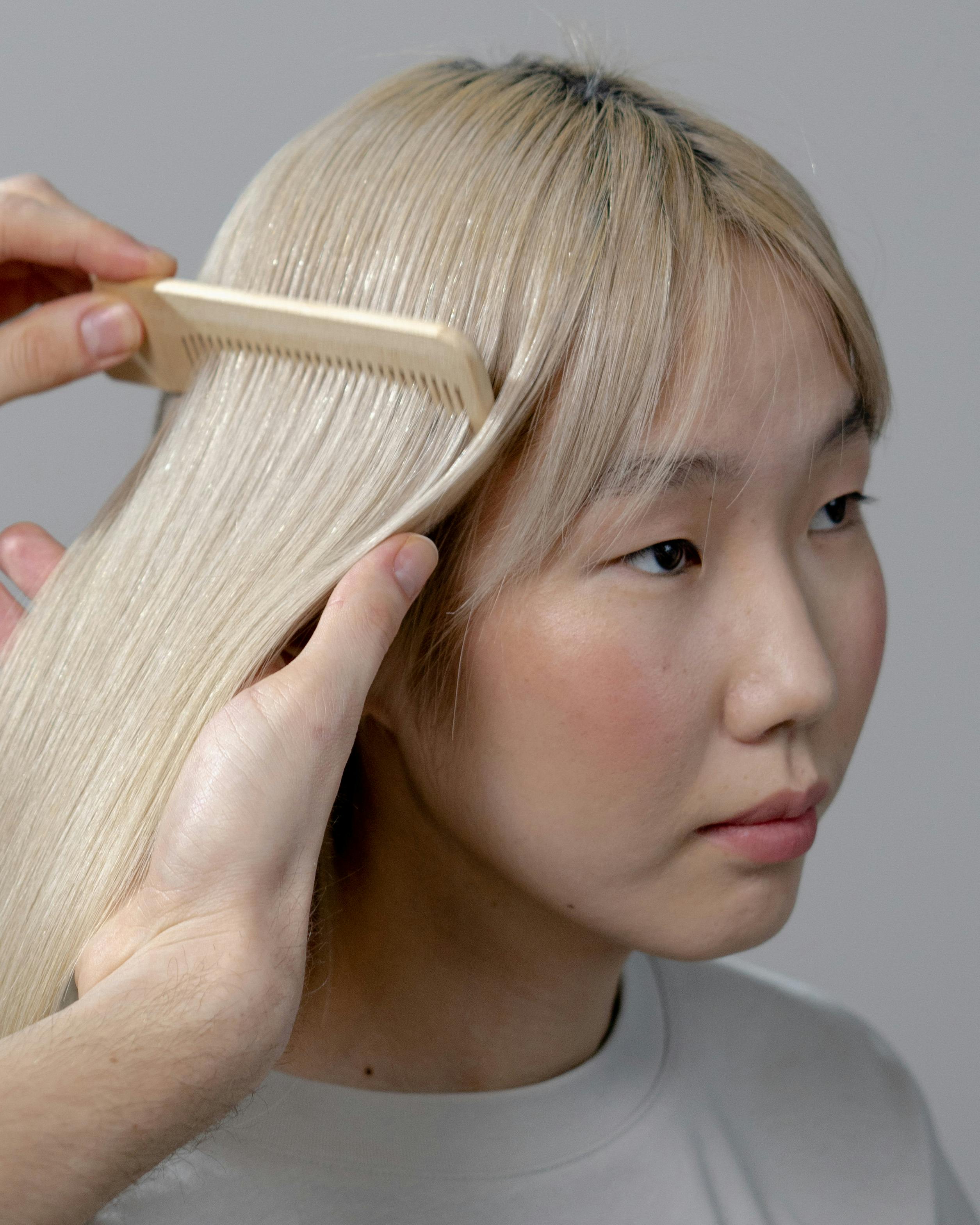
Dry shampoo, styling products, and even conditioners that aren't fully rinsed out accumulate on the scalp throughout the day. By evening, this buildup has had hours to sit against the skin — blocking follicles, disrupting the scalp's pH, and creating the kind of environment where irritation and itching thrive.
The Fix
Use a scalp scrub or clarifying shampoo once a week to fully reset. If you use dry shampoo daily, try alternating days or switching to a formula without alcohol or heavy waxes. Rinse your hair thoroughly — spending at least 60 seconds on scalp rinsing alone.
4. You Washed Your Hair but Didn't Rinse Enough
Shampoo residue left on the scalp is one of the most overlooked causes of itching. Sulfates and other cleansing agents are designed to be rinsed out completely. When they aren't, they continue stripping the scalp's natural oils for hours, triggering a reactive itch that peaks at night when irritation is amplified.
The Fix
Double your rinse time. When you think you're done, rinse for another 30 seconds. Tilt your head in different directions to ensure water reaches every part of your scalp. If you have thick or dense hair, this is especially important.
5. Your Scalp Is Dehydrated
A dry, dehydrated scalp itches more at night because the skin's barrier function weakens as the day progresses. If you're washing with hot water, living in low humidity, or using harsh shampoos, your scalp's natural moisture levels drop throughout the day — reaching their lowest point right around bedtime.
The Fix
Apply a few drops of lightweight scalp oil — jojoba or rosemary oil work well — to your scalp the evening before wash day. Massage in for 2 minutes and leave overnight. This restores the lipid barrier and reduces the dry-itch cycle significantly.
6. Stress Is Spiking Your Cortisol at Night
For many people, the mind finally slows down at night — and with it comes a wave of anxiety or stress that was suppressed during the busy day. Cortisol, the stress hormone, directly increases scalp inflammation and sebum production. If your itch is worse on high-stress nights, this is likely a significant factor.
The Fix
This one requires addressing the stress itself, not just the scalp. A brief evening scalp massage before bed — 3-5 minutes — reduces cortisol, increases blood flow to follicles, and often significantly relieves tension-related scalp itch. It works on both the cause and the symptom.
7. Your Laundry Detergent
You changed your pillowcase — but did you think about what you washed it with? Fragranced laundry detergents and fabric softeners leave chemical residue on fabric that sits directly against your scalp all night. Fragrance is one of the most common contact allergens, and scalp reactions to it are frequently misdiagnosed as dandruff.
The Fix
Switch to a fragrance-free, dye-free detergent for your pillowcases and sheets for two weeks. If the itching improves, you have your answer. This is a surprisingly common cause that very few people think to investigate.
8. Malassezia Yeast Overactivity
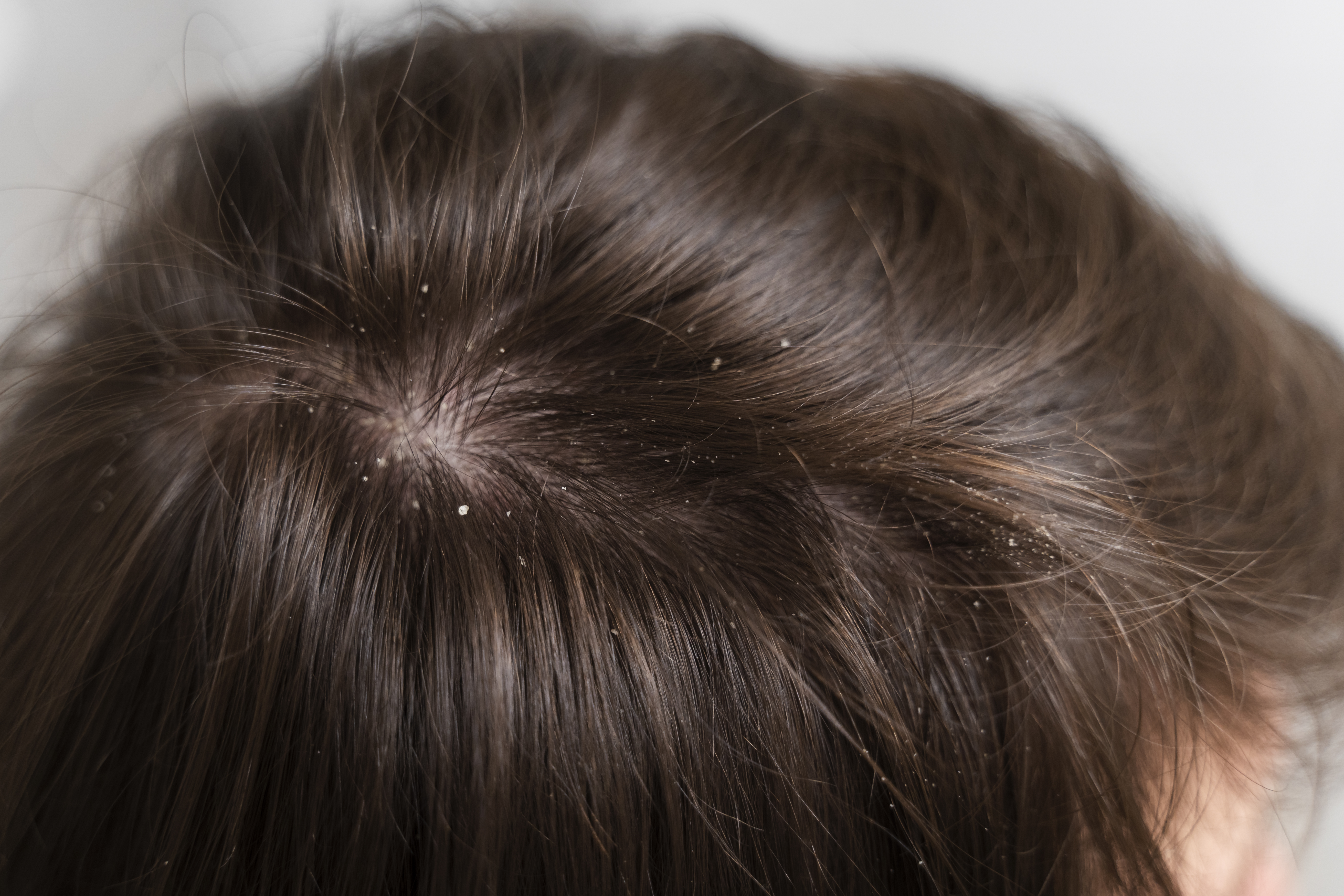
Malassezia is a yeast that lives naturally on every human scalp. At normal levels, it causes no problems. When it overgrows — triggered by humidity, sweat, certain hair products, or hormonal changes — it produces oleic acid as a byproduct, which irritates the scalp and causes the kind of itching that gets worse with warmth. Which is why it peaks at night.
The Fix
A zinc pyrithione or ketoconazole shampoo used once or twice a week directly targets Malassezia. These are the active ingredients in most anti-dandruff shampoos that actually work. Use them on the scalp, let them sit for 3-5 minutes before rinsing, not just as a quick lather-and-rinse.
9. You're Sleeping with Wet Hair
Going to bed with damp hair creates a warm, moist environment against your scalp — exactly the conditions that Malassezia and bacteria love. It also means your scalp pH is disrupted for hours while the skin is in its most permeable nighttime state. If you wash your hair at night and go to bed without fully drying it, this is very likely contributing to your itch.
The Fix
Either wash your hair in the morning, or dry it at least 80% before bed. You don't need a full blowout — use your dryer on medium heat until your scalp is genuinely dry to the touch, not just "close enough."
"Start with the pillowcase and the bedroom temperature. If those two things don't help in a week, then move to the shampoo and the detergent. Most people find their answer in those four places."
Nighttime scalp itch is one of those problems that feels mysterious but almost always has a straightforward, boring explanation. It's rarely a medical emergency. It's usually a combination of environment, routine, and one or two products that your scalp is reacting to. Eliminate the variables systematically and you'll find it.

Free · 3 Minutes
Find out exactly what your scalp needs.
3 photos. 9 questions. A complete personalised diagnosis with product recommendations built for your specific scalp and hair profile.
Begin Your Diagnosis →