Hair Intelligence — Night Routine
Night Hair Routine to Prevent Frizz and Itchy Scalp
You wake up with frizzy, rough hair and an itchy scalp — and blame your morning routine. The real problem happened while you were asleep. Here is the exact night routine that changes both, starting tonight.
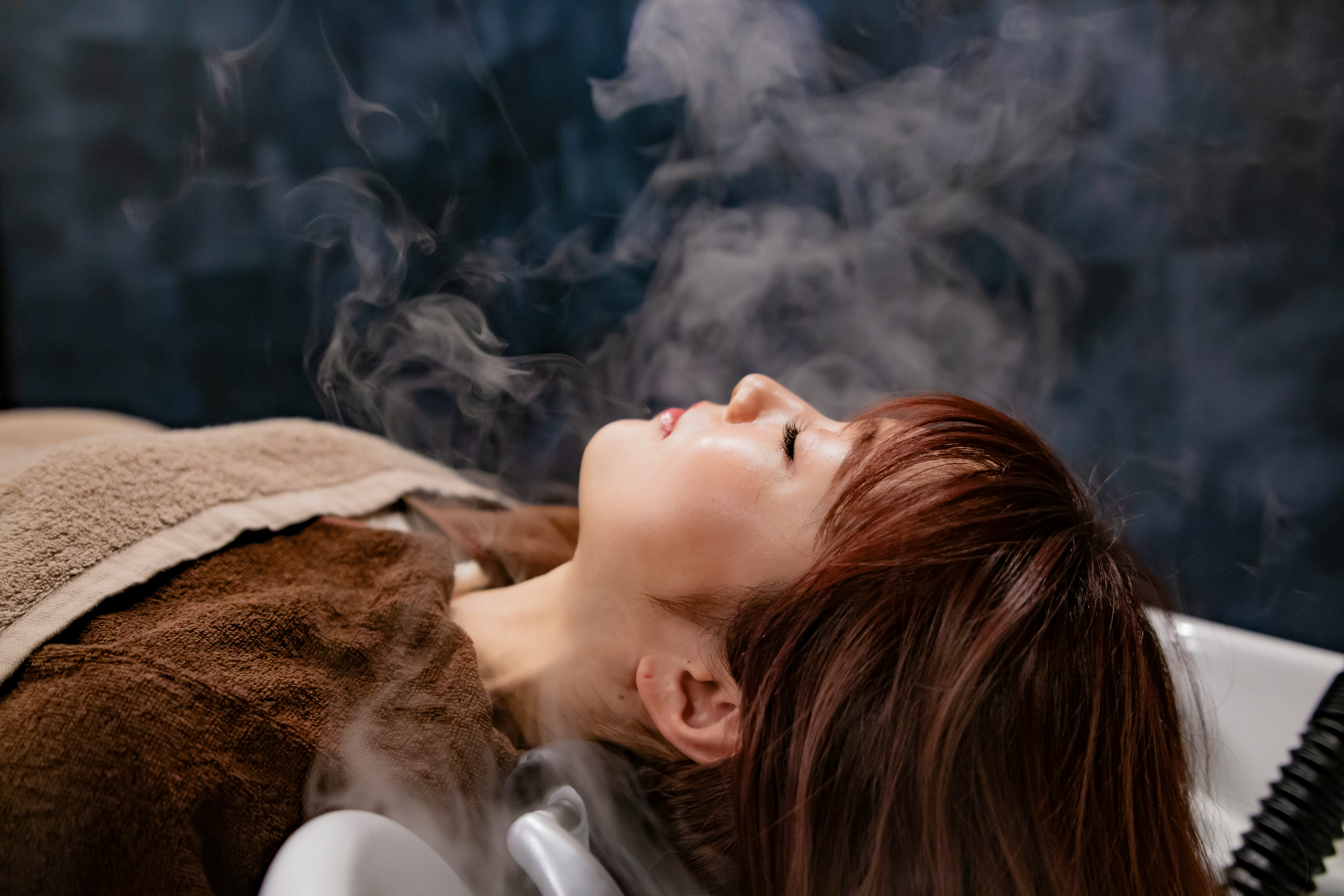
Most people have a morning hair routine. Almost nobody has a night one. And yet what happens to your hair during 7-8 hours of sleep has a massive impact on how it looks and feels the next day — more than most products you apply in the morning.
The friction from your pillow, the temperature of your room, the products you go to bed with, and how you tie or leave your hair — all of these determine whether you wake up with smooth, comfortable hair or spend your first 20 minutes fighting frizz and an irritated scalp.
"The best morning hair routine in the world cannot undo eight hours of friction damage from the wrong pillowcase."
The Frizz Side: What Happens at Night
While you sleep, your hair rubs against your pillowcase hundreds of times. If your pillowcase is cotton or terry cloth, this friction roughens the hair cuticle — the same cuticle you spent your wash routine trying to close. By morning, you have a raised, rough cuticle that immediately absorbs ambient moisture unevenly. That is frizz.
Additionally, if you go to bed with any residual dampness in your hair, it dries in a compressed, distorted shape against your pillow. The strands set in whatever position they land in — which is rarely smooth.
The Scalp Side: What Happens at Night
Body temperature rises during sleep, increasing blood flow to the scalp. Any existing irritation — from product buildup, dry skin, or Malassezia yeast — is amplified by this warmth. Dust mites in unwashed pillowcases are a major and frequently overlooked cause of nighttime scalp itch that most people never identify. And for people with naturally dry scalps, the scalp reaches its driest point late in the evening, which is why the itch often starts within minutes of lying down.
The Night Routine — Step by Step
This is the single highest-impact change you can make for both frizz and scalp itch. Silk and satin create almost zero friction, meaning your hair cuticle stays smooth through the night. They also do not absorb product the way cotton does, so your leave-in and oils stay on your hair where they belong. Change to a silk pillowcase tonight and wash your current ones on a hot cycle.
Going to bed with damp hair is one of the fastest ways to create frizz, scalp issues, and even breakage. Damp hair against a pillow dries in distorted shapes. A warm, moist scalp encourages Malassezia overgrowth. If you wash your hair at night, dry it at least 80% before sleeping — even on low heat. Your hair and scalp will thank you.
Leaving your hair completely loose means it tangles and rubs against the pillow all night. But tying it tightly creates tension and breakage at the hairline. The solution is a loose braid, a loose bun secured with a silk scrunchie, or a loose plait. This keeps the hair contained and reduces the surface area in contact with the pillow without creating stress on the strands.
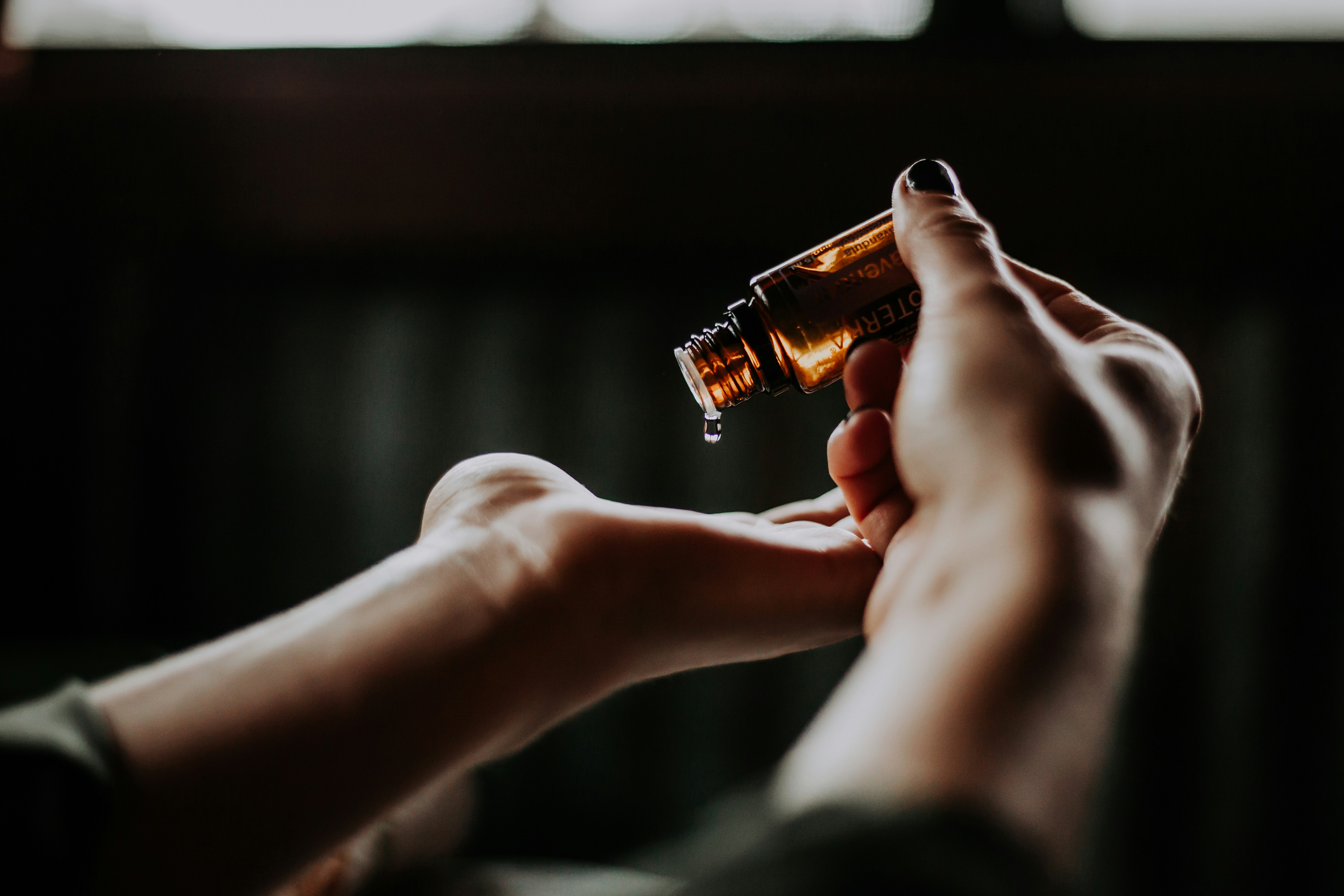
On the night before your wash day, massage 4-5 drops of jojoba or rosemary oil into your scalp for 2-3 minutes. Jojoba is structurally similar to sebum, so it restores the scalp's lipid barrier without clogging follicles. This overnight treatment dramatically reduces the dry-itch cycle and also improves scalp circulation over time. Wash it out in the morning.
On non-wash nights, a few drops of lightweight oil — argan, jojoba, or a blend — applied to the mid-lengths and ends before bed acts as a barrier against friction and overnight moisture loss. This is especially important for dry or high-porosity hair. Apply only to the lengths, not the scalp or roots.
A cooler room means a cooler scalp, which means less vasodilation and less amplification of any existing scalp irritation. This will not resolve an underlying scalp issue but it meaningfully reduces nighttime itch while you address the root cause. Aim for 16-19°C if you can.
The Complete Night Routine at a Glance
Every Night
"Most people see a difference in frizz within two nights of switching to silk. The scalp itch usually improves within a week. Give the routine ten days before judging it."
Nighttime is when your hair either recovers or deteriorates. A simple protective routine costs almost nothing and takes less than three minutes. The silk pillowcase is the only investment — and it pays for itself within the first week.

Free · 3 Minutes
Find out what your hair actually needs.
3 photos. 9 questions. A complete personalised diagnosis — including scalp health and frizz profile.
Begin Your Diagnosis →