Hair Intelligence — Frizz
Why Is My Hair Frizzy After Shower? 7 Real Causes + Fixes
If your hair gets frizzy right after the shower, you're probably making one of these 7 mistakes — and the fix is almost never a new product.
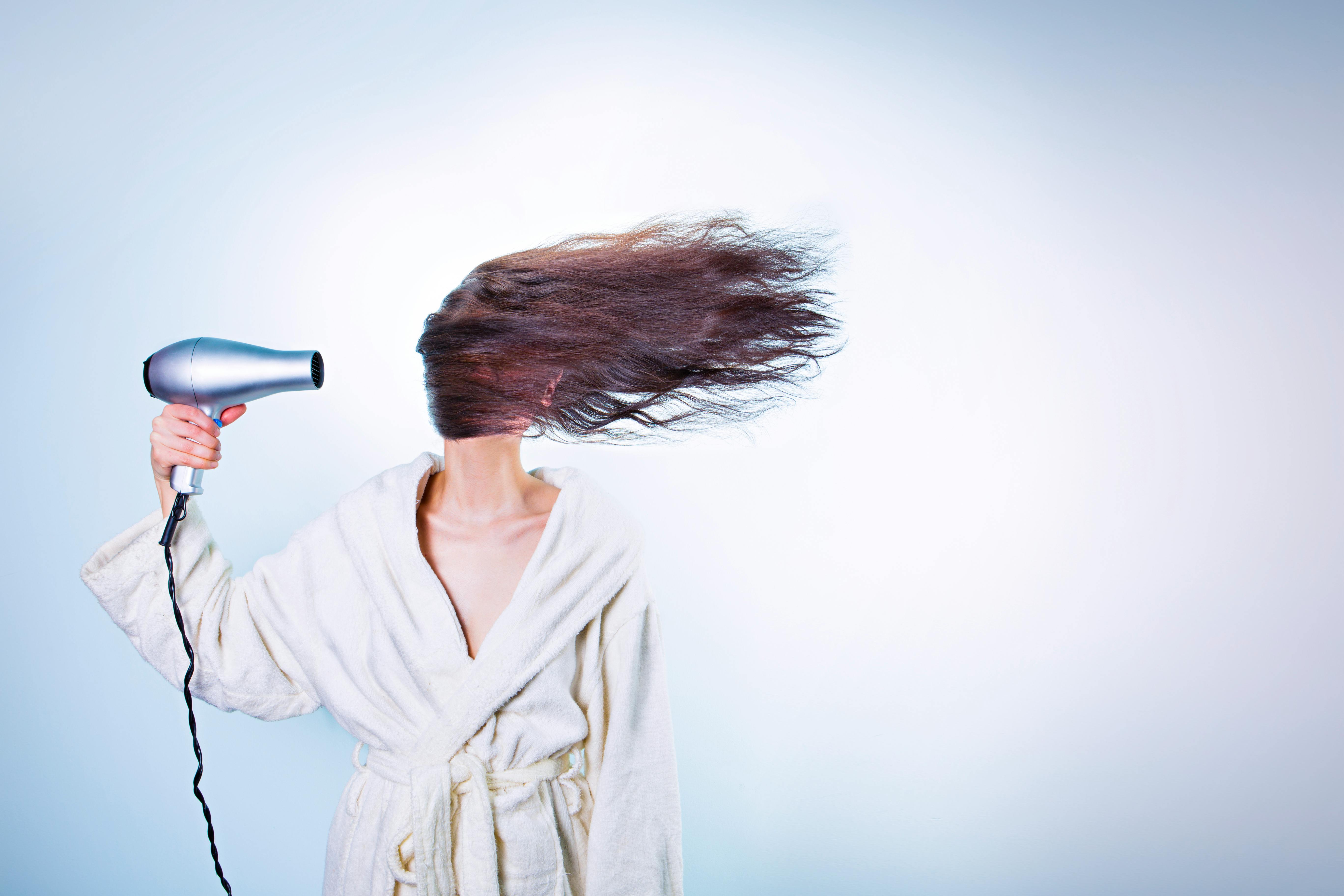
Frizz after the shower makes you feel like you're doing something wrong. You've read the guides. You've bought the products. You've tried the techniques. And yet, every morning after your shower, your hair does exactly what it wants. Which is: frizz.
Here's what nobody tells you: post-shower frizz is almost never about the products you're using. It's about what's happening to your hair before, during, and immediately after you wash it. Change those things — and the products you already own will suddenly start working. (If your hair goes poofy rather than just frizzy, read our guide on poofy hair after shower — slightly different cause, different fix.)
"Frizz is not a hair type. It's a signal. Your cuticle is open and searching for moisture it can't find inside the strand — so it pulls it from the air instead."
1. Your Water Is the Problem
Hard water — water with high mineral content — is one of the most common and least talked about causes of post-shower frizz. When mineral deposits like calcium and magnesium coat the hair shaft, they prevent moisture from penetrating, leave the cuticle rough and raised, and make your hair feel brittle and look dull no matter what you put on it.
If you've moved cities and your hair suddenly changed, or if your water leaves white residue on taps and glass, hard water is very likely part of your equation.
The Fix
Use a chelating or clarifying shampoo once a week to strip mineral buildup. A shower filter that softens water makes a dramatic difference for many people. Finish your rinse with cool or cold water to help close the cuticle.
2. You're Using Hot Water
A hot shower feels incredible. It's also systematically destroying your hair's ability to stay smooth. Hot water lifts the cuticle — the outer layer of each hair strand — and keeps it open. When you step out of the shower with a raised cuticle, your hair immediately starts absorbing moisture from the air unevenly, which is exactly what frizz is.
The Fix
Finish your shower with a 30-second cold rinse. You don't have to suffer — keep your body out of the cold water and just rinse your hair. This closes the cuticle and dramatically reduces how much moisture your hair absorbs from the air.
3. You're Towel-Drying the Wrong Way
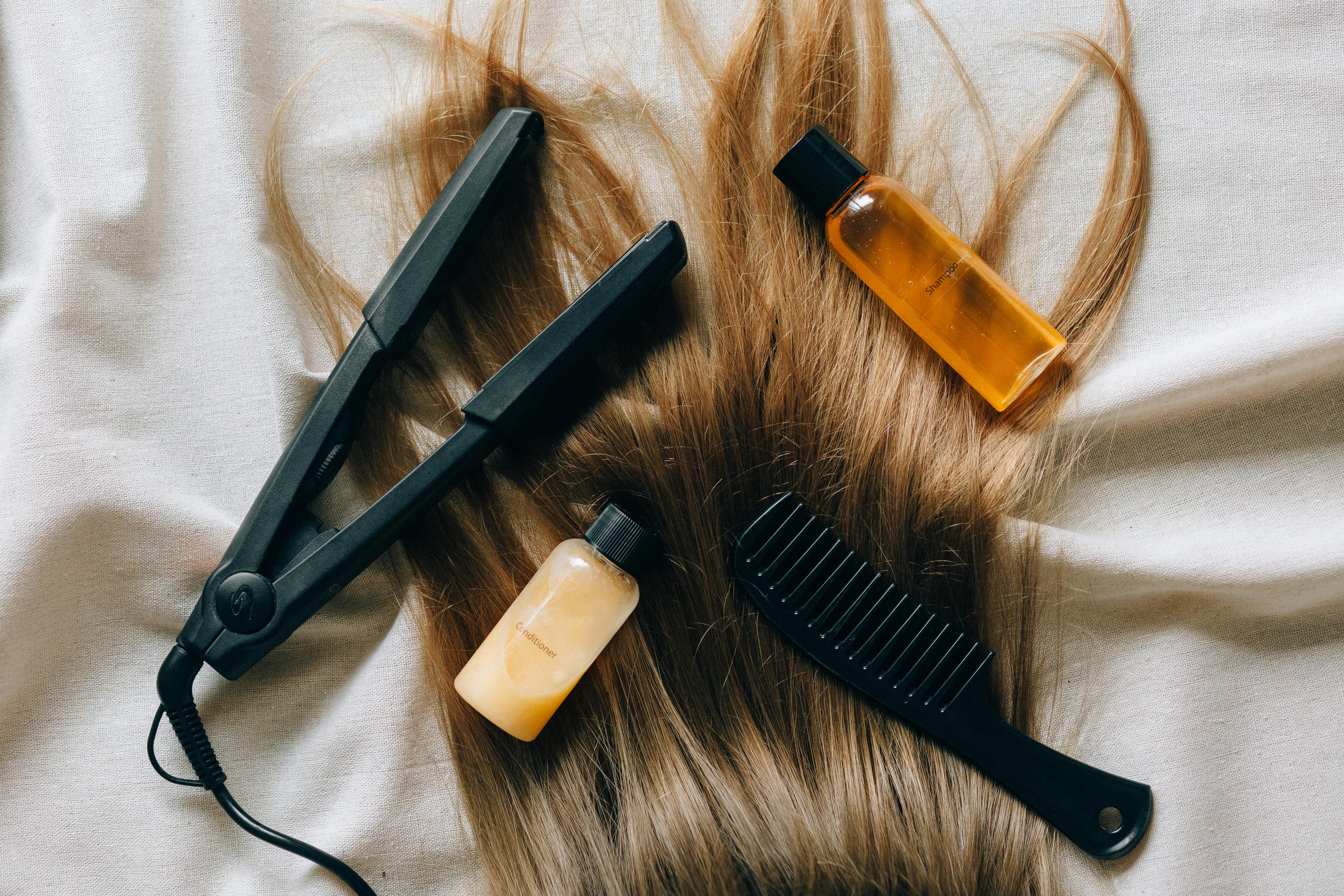
The instinct to grab your towel and rub your hair dry is one of the most damaging things you can do to your cuticle. Terry cloth creates friction against the cuticle, roughing it up in every direction. Frizzy hair after towel-drying is almost guaranteed if this is part of your routine.
The Fix
Swap your regular towel for a microfiber towel or an old cotton T-shirt. Instead of rubbing, gently scrunch your hair upward to remove excess water. This preserves curl pattern if you have it, and protects the cuticle if you don't.
4. Your Hair Is Dehydrated
Frizz is almost always a moisture problem. When the inside of your hair strand is chronically dry — whether from heat styling, chemical treatments, sun exposure, or simply not enough hydration in your routine — the cuticle stays permanently slightly open, always trying to compensate. No serum will close a cuticle that's open because the strand underneath it is thirsty.
The Fix
Add a weekly deep conditioning mask to your routine. Look for ingredients like hyaluronic acid, panthenol, or honey — these pull moisture into the strand rather than just coating the surface. Apply to damp hair, leave for 10-20 minutes, rinse with cool water.
5. You're Skipping Leave-In Conditioner
Rinse-out conditioner does a lot, but it doesn't stay long enough to protect your hair through the drying process. The moment you rinse it out, the clock starts — and if your hair doesn't have a leave-in barrier to slow down moisture exchange with the air, frizz begins before you even pick up your towel.
The Fix
Apply a lightweight leave-in conditioner to soaking wet hair, immediately after you step out of the shower — before you touch a towel. The water in your hair helps distribute it evenly. Then gently blot with your microfiber towel.
6. You're Diffusing on High Heat
The irony of fighting frizz with hot air is real. High heat reopens the cuticle just as it was starting to close, undoing everything your cold rinse and leave-in conditioner just accomplished. Many people blame their products when the problem is actually the temperature dial on their dryer.
The Fix
Dry on medium or low heat only. Use the concentrator nozzle if you have straight or wavy hair to direct air down the shaft rather than across it. Finish with a blast of cool air once your hair is 80% dry to set the cuticle closed.
7. Your Products Are Working Against Each Other
Some product combinations are frizz traps. Heavy silicone-based serums layered over humectant-rich leave-ins can actually pull moisture in erratically. Protein treatments done too frequently can make hair stiff and brittle, which looks exactly like frizz. Using curl creams on fine hair can weigh it down and create a different kind of texture problem.
The Fix
Simplify your routine. Start with just a shampoo, conditioner, and one leave-in. See what your hair actually does without the product cocktail before adding layers back in. Often less is dramatically more.
"The cold rinse alone fixes frizz for more people than any product ever has. Try it for one week before buying anything new."
Post-shower frizz is solvable. Not with a better serum — with a better understanding of what your hair actually needs. Start with the cold rinse and the microfiber towel. Those two changes cost nothing and work faster than anything you'll find in a bottle.
If you've done all of this and your hair is still fighting you, it might be time to look deeper. Your hair type, porosity, and scalp health all affect how your hair behaves after washing — and those require a different conversation.
Free · 3 Minutes
Find out exactly what your hair needs.
3 photos. 9 questions. A complete personalised diagnosis with product recommendations built for your specific hair profile.
Begin Your Diagnosis →