Hair Intelligence — Scalp Health
Why Is My Head So Itchy at Night?
And How to Stop It
You're exhausted. You get into bed. And within minutes your head is itching like crazy. You've tried everything — new shampoo, less washing, more washing. Still nothing. Here's the real reason it only happens at night.
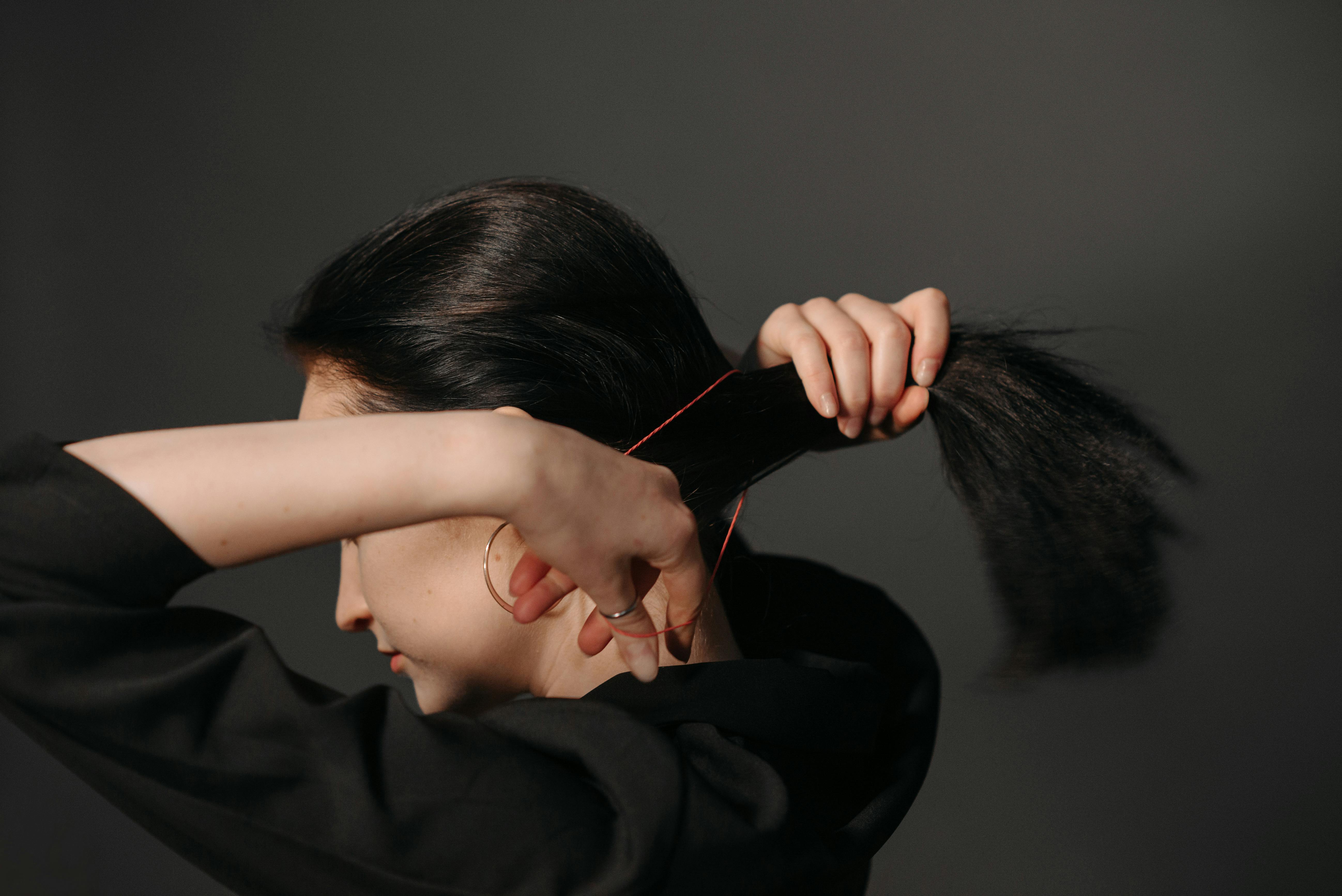
There's something uniquely maddening about a scalp that only itches at night. During the day, you barely notice it. You get into bed, close your eyes — and suddenly your head feels like it's on fire. You scratch. It gets worse. Forty-five minutes later you're still awake, staring at the ceiling.
Nothing is seriously wrong with you. The reason it happens at night specifically is not random — and once you understand it, the fix is usually faster than you'd expect. If you want the full list of causes, we cover all 9 in our complete guide to itchy scalp at night. Here's the explanation behind why nighttime makes it so much worse.
"The scalp becomes more reactive at night because your body's natural anti-inflammatory responses slow down as you prepare for sleep. What was barely noticeable at noon becomes unbearable at midnight."
Why Night Makes It Worse
During the day, your body is in a state of alert — cortisol is high, inflammation is partially suppressed, and your attention is focused outward. At night, your body shifts modes. Core temperature rises slightly, blood vessels near the skin dilate, and your nervous system — no longer distracted by the day — starts sending signals you weren't noticing before. Itch signals are among the loudest of these.
Add to this the fact that your scalp has been accumulating irritants all day — sweat, product residue, dust, pollution — and you have a perfect storm. By the time your head hits the pillow, your scalp has been sitting with all of that for hours. And now it wants to complain about it.
The Most Likely Culprits
Before assuming it's a skin condition or something medical, run through these first. They account for the overwhelming majority of nighttime head itch cases:
Your Pillowcase
This is where most people find their answer. A pillowcase that isn't changed every 3-4 days becomes a reservoir of oils, skin cells, product buildup, and dust mites. All of these sit directly against your scalp for 7-8 hours. Dust mites in particular are a major cause of nighttime scalp itch that gets misidentified as dandruff or eczema for years.
Do This Tonight
Put a fresh pillowcase on your pillow right now. Seriously — before you read another word. Then wash your existing pillowcases on a hot cycle. Do this for two weeks and see what happens. You'll likely have your answer.
Dry Scalp Reaching Its Daily Low Point
The skin's moisture levels fluctuate throughout the day. For people with naturally dry scalps — or scalps that have been dried out by frequent washing, hot water, or harsh shampoos — the scalp hits its driest point in the evening. Dry skin itches. It's that simple. And it itches most when you're warm and horizontal and have nothing else to think about.
The Fix
On the nights before you wash your hair, massage a small amount of jojoba or rosemary oil into your scalp. Jojoba is structurally similar to the scalp's own sebum, so it absorbs quickly and restores the lipid barrier without clogging follicles. Leave it overnight and wash out in the morning.
Product Residue That's Been Building All Day
Dry shampoo, hairsprays, leave-in conditioners — these products don't disappear. They sit on the scalp, and over hours they can oxidize, shift pH, and begin irritating the skin. By nighttime, especially if you've been active or warm, this buildup can trigger a significant itch response in people with reactive scalps.
The Fix
If you use dry shampoo or heavy styling products, try one week where you wash your hair in the morning and skip dry shampoo entirely. If the nighttime itch disappears, product buildup was your issue. Then you can experiment with which specific product was the trigger.
When to See a Doctor
Most nighttime scalp itch resolves with the pillowcase swap, better scalp hygiene, and removing the irritant. But if you have visible scaling, persistent redness, soreness, or the itch has been going on for months without any improvement from the above, it's worth seeing a dermatologist. Conditions like seborrheic dermatitis, psoriasis, and contact dermatitis all require specific treatment and won't resolve on their own.
"Most people who see a dermatologist for nighttime scalp itch are sent home with one instruction: change your pillowcase more often and stop using so much dry shampoo."
Start with the simplest explanation. Almost always, the answer is in your environment — not your scalp. Change your pillowcase tonight. Wash your hair tomorrow morning. Give it a week. The vast majority of nighttime scalp itch problems are solved exactly that easily.

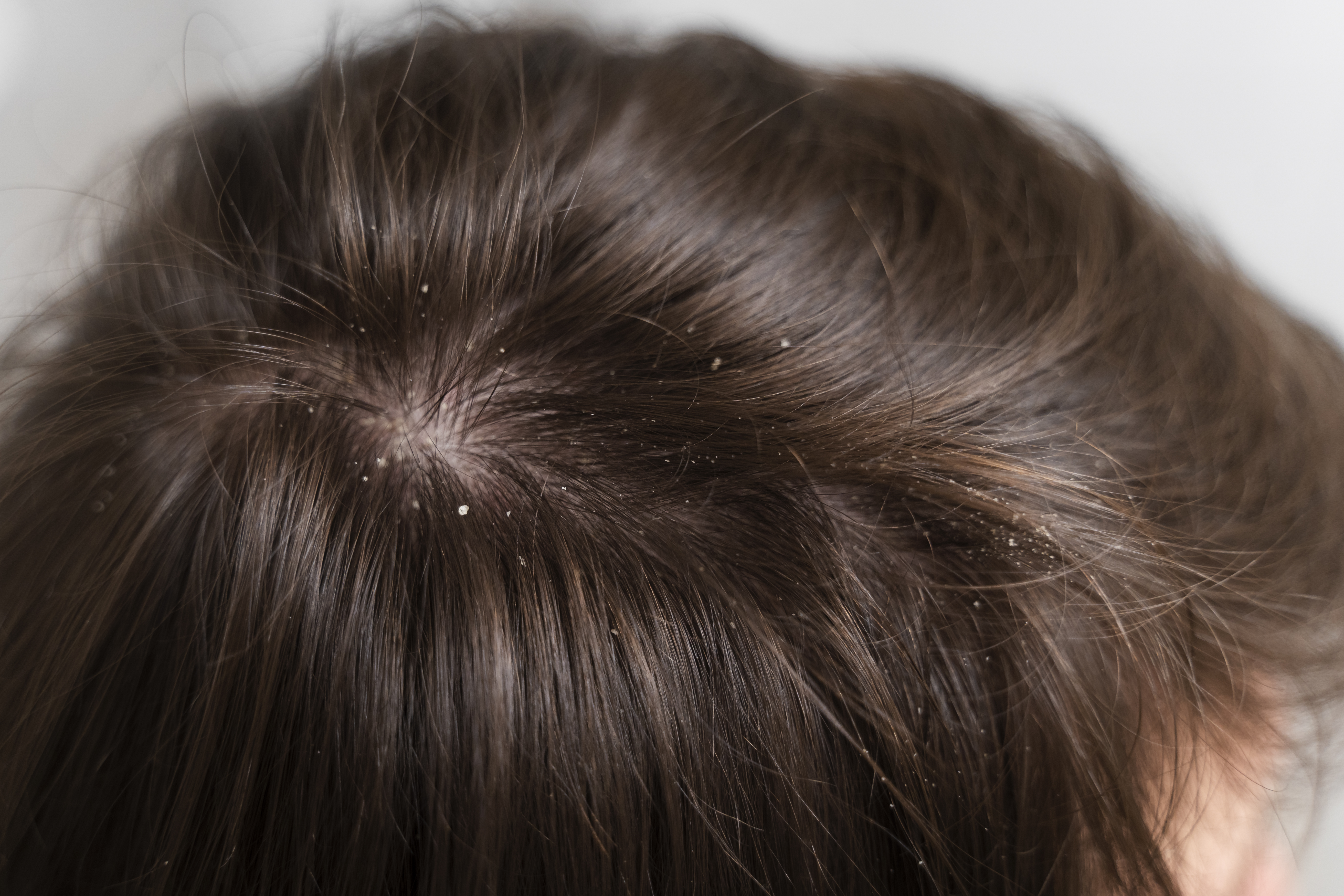

Free · 3 Minutes
Find out exactly what your scalp needs.
3 photos. 9 questions. A complete personalised scalp and hair diagnosis — free.
Begin Your Diagnosis →