Hair Intelligence — Scalp Health
Why Does My Head Itch at Night?
Causes and Fixes
Your head is fine all day and starts itching the moment you get into bed. You have tried anti-dandruff shampoo. It is still there every night. Here are the real causes — and the fixes that actually work.
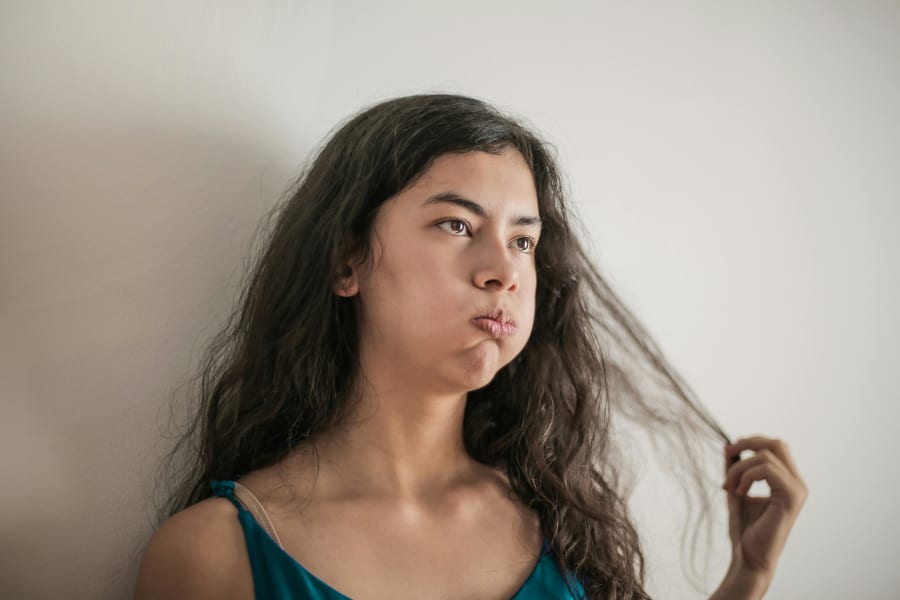
Nighttime head itch is one of the most misunderstood scalp problems. The reason it happens specifically at night — and not during the day — is biological, not random. Once you understand why night makes it worse, identifying and fixing the cause becomes straightforward.
During the day, your body produces cortisol, which acts as a natural anti-inflammatory and partly suppresses itch signals. At night, cortisol drops, body temperature rises slightly, and blood flow to the skin increases. Any irritation that was a background signal during the day becomes a loud, insistent signal at night. Add to this the fact that your scalp has been accumulating sweat, product residue, and environmental irritants for 12-16 hours by the time you lie down, and you have a perfect setup for the itch that starts the moment you close your eyes.
"Before you change your shampoo, change your pillowcase. That single step resolves nighttime head itch for more people than any medicated formula ever has."
The Most Common Causes
1. Your Pillowcase
This is the cause in the majority of cases, and the least investigated. A pillowcase that is not washed every 3-4 days becomes a reservoir of skin cells, hair product residue, sweat, and dust mites. All of these sit in direct contact with your scalp for 7-8 hours. Dust mite allergens in particular are a potent scalp irritant that frequently presents as nighttime itch misdiagnosed as dandruff for months or years.
Do This Tonight
Put a fresh pillowcase on your pillow right now — washed with fragrance-free detergent. Do this for five nights and observe whether the itch changes. If it improves significantly, you have your answer and the solution is simply washing your pillowcase every 3-4 days.
2. Product Buildup Reaching Its Peak
Dry shampoo, styling sprays, leave-in conditioners, and serums accumulate on the scalp throughout the day. By evening, these products have had hours to oxidise, shift pH, and begin irritating the skin. For people with reactive scalps, this daily buildup peaks at bedtime and manifests as itch.
The Fix
Try one week without dry shampoo or heavy styling products. Just shampoo and conditioner. If the nighttime itch reduces significantly, a specific product is the trigger — add them back one at a time to identify which one.
3. Dry Scalp at Its Daily Low Point
The scalp's natural moisture levels fluctuate throughout the day. For people with dry or dehydrated scalps — from frequent washing, hot showers, low humidity environments, or harsh shampoos — the scalp reaches its driest point in the evening. Dry skin itches. And it itches most when you are warm, horizontal, and have nothing else to focus on.
The Fix
On evenings before your wash day, massage 4-5 drops of jojoba oil into your scalp and leave overnight. Jojoba is structurally similar to the scalp's own sebum, absorbs without residue, and restores the lipid barrier effectively. Wash out in the morning. Most people notice a meaningful reduction in nighttime itch within three or four treatments.
4. Malassezia Yeast
Malassezia is a yeast present on every human scalp. When it overgrows — triggered by humidity, sweat, hormonal changes, or certain hair products — it produces oleic acid as a byproduct. Oleic acid irritates the scalp and causes itching that worsens with warmth. This is why Malassezia-related itch peaks at night when body temperature rises during sleep.
The Fix
A shampoo containing zinc pyrithione or ketoconazole, used two to three times per week with a 3-5 minute contact time before rinsing, directly targets Malassezia. This is the active ingredient in most effective anti-dandruff shampoos. Give it three weeks of consistent use before evaluating whether it is working.
5. Your Laundry Detergent
Fragrance is one of the most common contact allergens. Laundry detergents and fabric softeners with fragrance leave chemical residue on pillowcases that sits against your scalp all night. Many people switch shampoos repeatedly without ever identifying their laundry detergent as the source of their nighttime scalp itch.
The Fix
Switch to a fragrance-free, dye-free detergent for your bed linen for two weeks. If the itch improves, fragrance was the trigger. This is a surprisingly common cause that takes 30 seconds to test and is completely free to address.
"Work through pillowcase, product buildup, and detergent before assuming it is a skin condition. Most people find their answer in one of those three places."
For our complete guide covering all 9 causes of itchy scalp at night, see Itchy Scalp at Night: 9 Hidden Causes. And if you want the step-by-step elimination protocol, Why Your Scalp Itches at Night — How to Fix It Fast walks through it systematically.
Frequently Asked Questions
Why does my head itch more at night than during the day?
Body temperature rises during early sleep, increasing blood flow to the skin and amplifying existing irritation. Cortisol — which partly suppresses itch signals during the day — drops at night. And by bedtime the scalp has accumulated a full day's worth of sweat, product residue, and environmental irritants.
Can a dirty pillowcase cause head itch at night?
Yes — a pillowcase not washed every 3-4 days accumulates sweat, oils, product residue, and dust mites that irritate the scalp during 7-8 hours of contact. This is one of the most common and least investigated causes of nighttime head itch.
What can I put on my scalp to stop it itching at night?
Jojoba oil massaged into the scalp before bed relieves dryness-related itch. For Malassezia-related itch, zinc pyrithione shampoo used regularly is more effective. But if the cause is your pillowcase or detergent, no topical treatment will resolve it — the environmental trigger needs to be removed first.
When should I see a doctor for head itch at night?
See a dermatologist if the itch persists for more than 4-6 weeks without improvement from basic interventions, or if you have visible scaling, redness, soreness, or hair loss alongside the itch.
References
Gupta, A.K. & Bluhm, R. (2004). Seborrheic dermatitis. Journal of the European Academy of Dermatology and Venereology. — Malassezia and scalp inflammation.
Yosipovitch, G. et al. (2003). The prevalence and clinical characteristics of pruritus among patients with extensive psoriasis. British Journal of Dermatology. — Nighttime itch intensification mechanisms.

Free · 3 Minutes
Find out what your scalp actually needs.
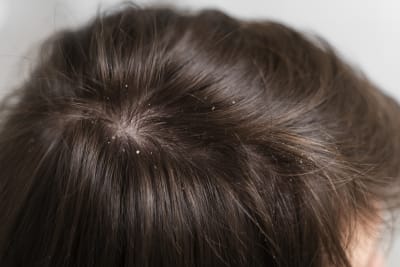
3 photos. 9 questions. A complete personalised scalp and hair diagnosis — free.
Begin Your Diagnosis →