Hair Intelligence — Scalp Health
Why Your Scalp Itches at Night
And How to Fix It Fast
Your scalp only itches at night. You've tried new shampoo, anti-dandruff, tea tree oil. Still there every night. Stop guessing — this 7-day protocol finds the exact cause and eliminates it.
Here's what most people do when their scalp itches at night: they switch shampoos. They buy an anti-dandruff formula. They try tea tree oil. They wash their hair more. They wash it less. Nothing changes. Months pass. They accept it as just something their scalp does.
But scalp itch that specifically happens at night is almost always environmental — not a skin condition. Which means it's fixable, usually within a week, once you know where to look. Want to understand all the possible causes first? Read our complete guide to the 9 causes of itchy scalp at night. Or skip straight to the fix below.
"The question to ask is not what's wrong with my scalp — it's what is my scalp being exposed to, specifically at night, that it isn't exposed to during the day."
How to Find Your Trigger in 7 Days
Rather than trying everything at once, here's a systematic approach that identifies the cause while also treating it. Do these in order, one every day or two, and you'll find your answer quickly.
Put on a freshly washed pillowcase tonight — laundered with fragrance-free detergent. This is the single highest-yield intervention. If the itch improves noticeably by night 3, your pillowcase was the problem. Dirty fabric, dust mites, or detergent fragrance are the cause for most people.
Lower your bedroom temperature by 2-3 degrees. Scalp itch intensifies with warmth because blood flow to the skin increases, amplifying any existing irritation. A cooler environment won't cure the underlying issue but dramatically reduces how intense the itch feels while you identify and address the cause.
No dry shampoo, no hairspray, no leave-in conditioners beyond a basic rinse-out. Just shampoo and conditioner. Product buildup on the scalp is a surprisingly common trigger that accumulates all day and peaks by bedtime. One week without styling products will tell you immediately if this is your issue.
If dryness is contributing, your scalp will respond to this within two nights. Massage 4-5 drops of jojoba oil into your scalp before bed and wash out in the morning. Jojoba is the closest natural oil to the scalp's own sebum. If the itch reduces significantly, your scalp barrier is compromised and needs more consistent moisture support.
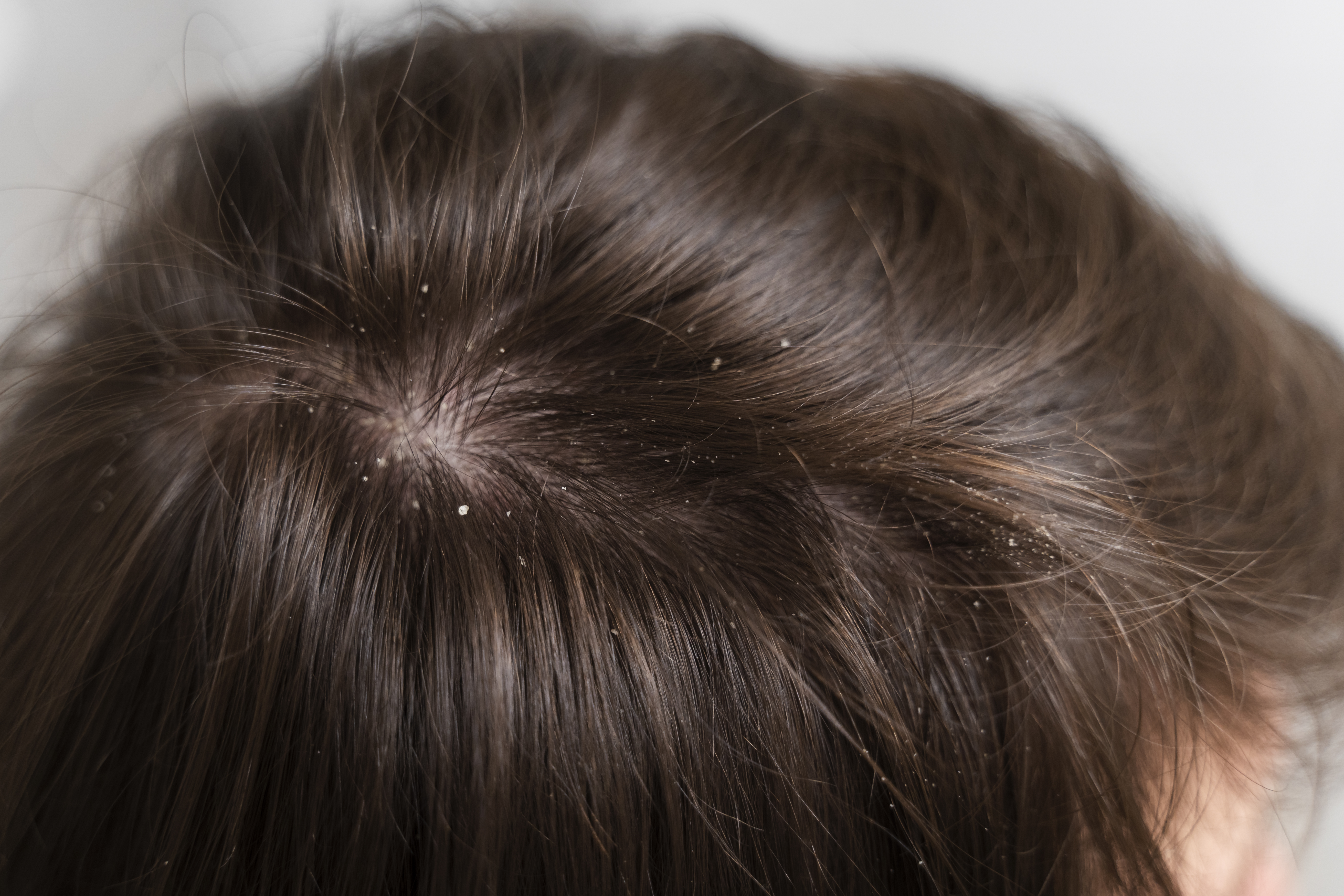
If nothing above has made a significant difference, try a shampoo with zinc pyrithione or salicylic acid for one week. Use it twice — apply, wait 3 minutes, rinse thoroughly. If this works, Malassezia yeast overgrowth was likely involved and you'll need to continue using this shampoo once or twice a week to maintain balance.
What If None of This Works?
If you've worked through all five steps systematically and your scalp is still significantly itchy at night, it's time to see a dermatologist. Conditions like seborrheic dermatitis, scalp psoriasis, and contact dermatitis can all present primarily at night and require prescription treatment. But in our experience, most people find their answer in steps 1 or 3 — before they even get to the medicated shampoo.
"The 7-day protocol works because it removes variables one at a time. Most people discover their trigger by night 4. Usually it's the pillowcase or a product they never suspected."
The key is patience and systematism. Change one thing at a time, give it two nights, and observe. Don't switch your shampoo, change your pillowcase, and start a scalp oil all on the same night — you'll have no way of knowing what worked. One change, two nights, observe. You'll have your answer by the end of the week.

Free · 3 Minutes
Get a complete scalp and hair diagnosis.
3 photos. 9 questions. Personalised recommendations for your specific scalp type — free.
Begin Your Diagnosis →