Hair Intelligence — Scalp Health
Why Does My Scalp Itch More in Winter?
Every year, around the same time, your scalp becomes dry and itchy. It is not a coincidence and it is not your imagination. Winter does specific things to the scalp — and once you understand what, the fix is simple.
Seasonal scalp itch is one of the most common and least discussed hair problems. Most people switch shampoos, try anti-dandruff formulas, or assume they have developed a skin condition. In the majority of cases, the cause is environmental — and the environment is winter itself.
"Winter scalp itch is almost never a product problem. It is a humidity problem. The air is drier, your heating makes it drier still, and your scalp — like all skin — responds to that dryness with itch."
What Winter Does to Your Scalp
Cold air holds significantly less moisture than warm air. When that cold, dry air comes into contact with your scalp, it pulls moisture from the skin. Indoor heating compounds the problem dramatically — heated air is even drier than cold outdoor air, which is why the scalp tends to be worst first thing in the morning after a night in a heated bedroom.
For many people, natural sebum production also slows slightly in cold weather — similar to how skin across the body becomes drier in winter. The scalp's natural lipid barrier becomes less effective, leaving it more vulnerable to transepidermal water loss — the technical term for moisture simply evaporating from the skin.
The result is a scalp that is flakier, tighter, and more reactive than at any other time of year.
Winter Scalp Itch vs Dandruff — The Difference Matters
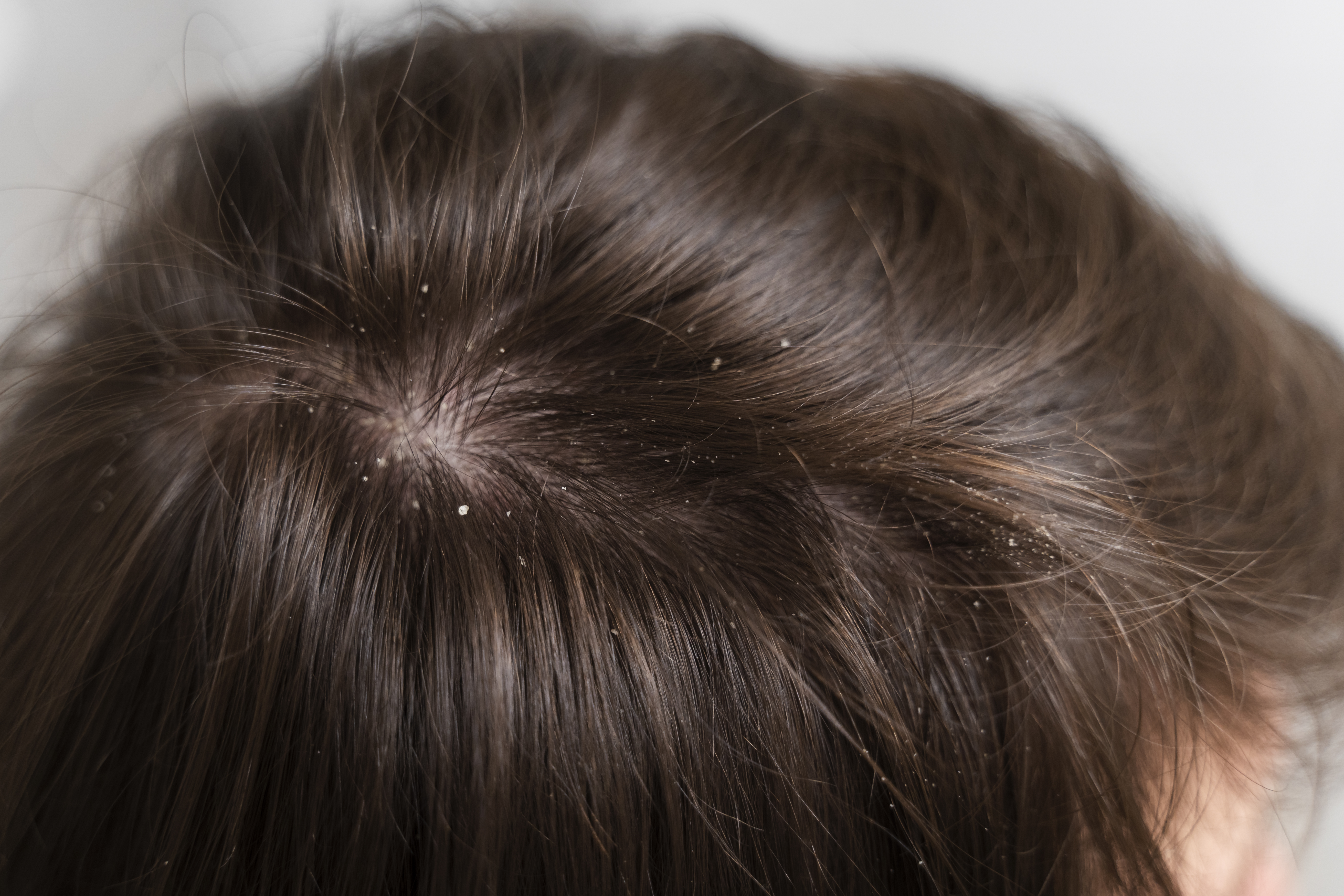
These are two different conditions that look similar but have completely opposite causes and treatments. Dry scalp produces small, fine, dry flakes that fall off easily — the scalp feels tight and itchy. Dandruff produces larger, oilier flakes that tend to stick to the hair, caused by Malassezia yeast overgrowth in an oily environment.
Using an anti-dandruff shampoo for dry scalp itch makes it worse. Anti-dandruff formulas are designed for oily, yeast-heavy conditions. They are drying by nature. If your itch is caused by dryness and you treat it with a drying shampoo, you will create a cycle that gets progressively worse through the winter.
How to Tell the Difference
Dry scalp: small dry flakes, tight sensation, gets worse after washing, improves with oils and moisture. Dandruff: larger oily flakes, itching that builds throughout the day, may improve slightly after washing, gets worse with oily products.

How to Fix It
1. Reduce How Often You Wash
Every shampoo strips natural oils from the scalp. In winter when those oils are already depleted, frequent washing accelerates the dehydration cycle. If you currently wash daily, reducing to every other day or every two days will make a significant difference in scalp comfort within one week.
2. Switch to a Sulfate-Free Shampoo
Sulfate shampoos are effective cleansers but they are also drying. In summer when the scalp has more natural moisture reserve, this is manageable. In winter, sulfates tip the balance into chronic dryness. A gentle sulfate-free formula cleanses adequately without stripping the scalp's protective oils.
3. Add a Weekly Scalp Oil Treatment
On the evening before your wash day, massage 4-6 drops of jojoba or argan oil into your scalp for 2-3 minutes. Leave overnight and wash out in the morning. This restores the lipid barrier, reduces the dry-itch cycle, and improves scalp circulation over time. Jojoba in particular is structurally similar to the scalp's own sebum and absorbs without leaving residue.
4. Use a Humidifier in Your Bedroom
A bedroom humidifier running at 40-60% humidity significantly reduces the moisture loss your scalp experiences during sleep. This is especially impactful for people whose scalp itch is worst in the morning — a direct sign that overnight indoor heating is the primary driver.
5. Rinse With Cooler Water
Hot showers are tempting in winter but they are the single biggest accelerator of dry scalp in the cold months. Warm water is sufficient for effective washing. End with a cool rinse. The immediate relief in scalp tension that many people feel after a cool rinse is confirmation of how much hot water was contributing to the problem.
"A humidifier in the bedroom and a scalp oil the night before washing. These two changes alone resolve seasonal scalp itch for most people within two weeks."
Frequently Asked Questions
Why does my scalp get itchy and dry in winter?
Cold air holds less moisture than warm air, which creates a low-humidity environment that pulls moisture from the skin — including the scalp. Indoor heating compounds this by further drying the air. The scalp's natural sebum production may also slow in cold weather for some people, reducing its natural protective barrier.
Is winter scalp itch the same as dandruff?
Not necessarily. Dry scalp itch in winter produces small, dry flakes that fall easily — different from dandruff, which involves larger, oilier flakes caused by Malassezia yeast overgrowth. The treatment is different: dry scalp needs moisture restoration, while dandruff requires antifungal ingredients like zinc pyrithione or ketoconazole.
What helps a dry itchy scalp in winter?
Reducing wash frequency, switching to a sulfate-free shampoo, adding a scalp oil treatment once a week, using a humidifier in your bedroom, and rinsing with cooler water all help. Avoid anti-dandruff shampoos if the cause is dryness rather than Malassezia — they are drying and will make dry scalp itch worse.
Why is my scalp worse after washing in winter?
In winter, the scalp is already working harder to maintain its moisture barrier. Washing with hot water, using a harsh sulfate shampoo, or washing too frequently strips what little natural oil remains, leaving the scalp significantly more dehydrated post-wash. The itch that follows is the scalp's barrier response to that stripping.
References
Nakagawa, H. et al. (2004). Transepidermal water loss in the scalp in various dermatological conditions. Journal of Dermatology. — Scalp barrier function and seasonal variation.
Gupta, A.K. & Bluhm, R. (2004). Seborrheic dermatitis. Journal of the European Academy of Dermatology and Venereology. — Dry scalp vs dandruff differential diagnosis.
Free · 3 Minutes
Get a complete scalp diagnosis.
3 photos. 9 questions. A personalised scalp and hair diagnosis — free.
Begin Your Diagnosis →